Pork Chops Stuffed with Cheddar Cheese and Poblano Peppers
Brined pork chops are a good
example of wet brining. This is also one of those dishes that’s both tasty and
easy.
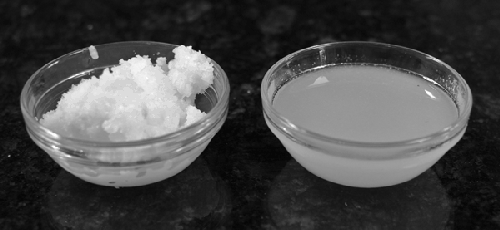
In a container, mix 2 tablespoons (60g) salt with 4 cups (1 liter) of cold water.
Stir to dissolve salt. Place 2 to 4 boneless pork chops in the brine and store them in
the fridge for an hour. After pork chops have brined, remove from water and pat dry
with paper towels. Lay out the pork chops on a clean plate to allow them to come to
room temperature.
Create a filling by mixing together in a bowl:
¼ cup (40g) poblano pepper, roasted and
then diced, about 1 pepper (see notes)¼ cup (40g) cheddar cheese or Monterey Jack cheese,
cut into small cubes½ teaspoon (3g) salt
½ teaspoon (1g) ground black pepper
Prepare the pork chops for stuffing: using a small paring knife, make a small
incision in the side of the pork chop, then push the blade into the center of the pork
chop. Create a center cavity, sweeping the blade inside the pork chop, while keeping
the “mouth” of the cavity—where you pushed the knife into the meat—as small as
possible.
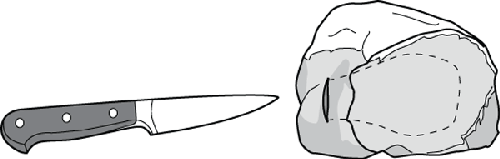
Stuff about a tablespoon of the filling into each pork chop. Rub the outside of
the pork chops with oil and season with a pinch of salt.
Note:
You’ll have leftover filling. It’s better to make too much than risk not having
enough. Save the extra stuffing for scrambled eggs.
Heat a cast iron pan over medium heat until it is hot (about 400°F / 200°C, the
point at which water dropped on the surface sizzles and steams). Place the pork chops
in the pan, searing each side until the outside is medium brown, about five to seven
minutes per side. Check the internal temperature, cooking until your thermometer
registers 145°F / 62.8°C. Then remove the pork chops from the pan and let them rest on
a cutting board for five minutes.
Note:
You can pull the pork chops from the pan before they reach temperature and let
the carryover bring them up to 145°F / 62.8°C, but make sure they do get up to this
temperature. You should also verify that your thermometer is calibrated correctly
and that you properly probe the coldest part of the meat.
To serve, slice the pork chops in half to reveal the center. Serve on top of
rosemary mashed potatoes .
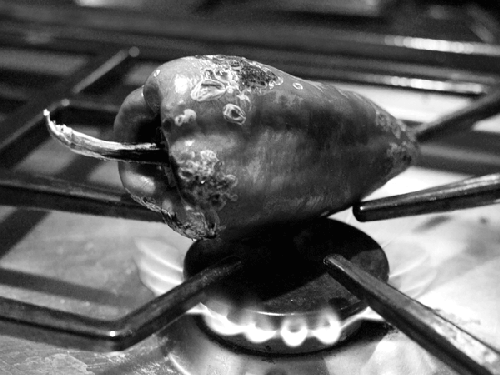
How do you roast a poblano pepper? If you have a gas stovetop, you
can place the pepper directly on top of the burner, using a pair of tongs to
rotate it as the skin burns off (expect the skin to char and turn black; this is
what you’re going for). If you don’t have a gas stovetop, place the pepper under
a broiler (gas or electric) set to high, rotating it as necessary. Once the skin
is burnt on most sides of the pepper, remove from the heat and let it rest on a
cutting board until it’s cool enough to handle. Using a cloth or paper towel,
wipe off the burnt skin and discard. Dice the pepper (discarding the seeds,
ribbing, and top) and place into a bowl.
Try other fillings, such as a mixture of sage, dried fruits
(cranberries, cherries, apricots), and nuts (pecans, walnuts); or pesto
sauce.
Trichinosis and Pork145°F / 62.8°C? I thought pork had to be cooked to 165°F / Good question; glad you asked. Trichinosis—a parasitic infection from To be safe, give yourself at least a 5°F If you’re curious about the history of trichinosis, see the USDA’s Parasite
|
Salt-Roasted FishSalt can also be used as a “protective outer Traditionally, the salt is mixed with egg white or water to make a thick Note: When salt roasting, leave the fish skin on. It’ll prevent the fish from getting You don’t need to bury the fish too deeply. Go for about 1/2″ / 1 cm of Try this with a whole fish, something medium to large (2 to 5 lbs / 1 to 2 kilos), Bake the fish in an oven set to 400–450°F / 200–230°C, using a probe thermometer Notes
|