Paris Top 10 : Musée du Louvre (part 2) – Louvre Collections

Louvre Collections


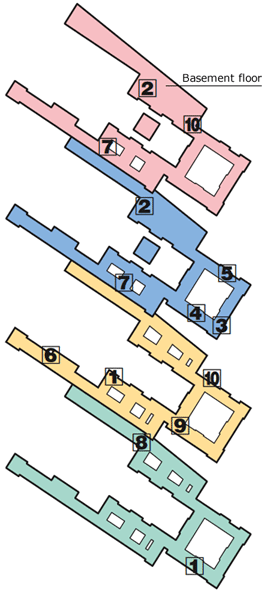
Collections floorplan

  1. French Paintings

    This
    superb collection ranges from the 14th century to 1848 and includes
    works by such artists as Jean Watteau, Georges de la Tour and JH
    Fragonard.

  2. French Sculpture

    Highlights include the Tomb of Philippe Pot by Antoine le Moiturier, the Marly Horses and works by Pierre Puget in the glass-covered courtyards.

  3. Egyptian Antiquities

    The
    finest collection outside Cairo, featuring a Sphinx in the crypt, the
    Seated Scribe of Sakkara, huge sarcophagi, mummified animals, funerary
    objects and intricate carvings depicting everyday life in Ancient Egypt.


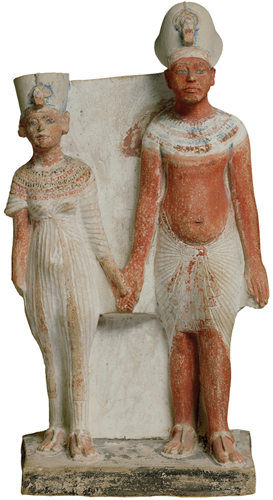
    Akhenaton and Nefertiti, Egypt

  4. Greek Antiquities

    The
    wondrous art of Ancient Greece here ranges from a Cycladic idol from
    the third millennium BC to Classical Greek marble statues (c.5th century BC) to Hellenistic works (late 3rd–2nd century BC).

  5. Oriental Antiquities

    A
    stunning collection includes a re-created temple of an Assyrian king
    and the Codex of Hammurabi (18th century BC), mankind’s oldest written
    laws.

  6. Italian Paintings

    French
    royalty adored the art of Italy and amassed much of this collection
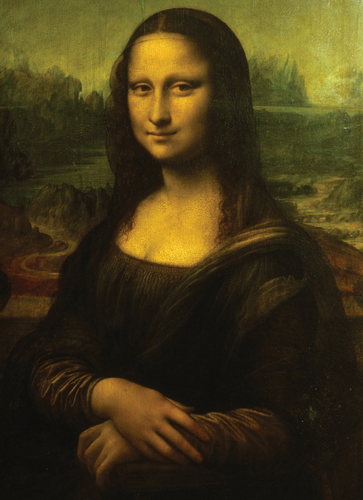
    (1200–1800). There are many works by da Vinci including the Mona Lisa.


    Collections floorplan

  7. Italian Sculpture

    Highlights of this collection, dating from the early Renaissance, include a 15th-century Madonna and Child by Donatello and Michelangelo’s
    Slaves
    .
  8. Dutch Paintings

    Rembrandt works take pride of place in this section, along with domestic scenes by Vermeer and portraits by Frans Hals.

  9. Objets d’Art

    This collection of ceramics, jewellery and other items spans many countries and centuries.

  10. Islamic Art

    An exquisite collection ranging from the 7th century to the Ottoman Empire (14th–19th centuries). Closed for renovation.


Leonardo da Vinci and the Mona Lisa

Born in Vinci to a
wealthy family, Leonardo da Vinci (1452–1519) first took up an
apprenticeship under the Florentine artist Andrea del Verrocchio, then
served the Duke of Milan as an architect and military engineer, during
which time he painted the acclaimed Last Supper mural (1495). On his return to Florence, to work as architect to Cesare Borgia, he painted his most celebrated portrait, the Mona Lisa (1503–06). It is also known as La Gioconda,
allegedly the name of the model’s aristocratic husband, although recent
speculation suggests that da Vinci himself could be the subject. The
masterpiece, particularly the sitter’s mysterious smile, shows mastery
of two techniques: chiaroscuro, the contrast of light and shadow, and sfumato,
subtle transitions between colours. It was the artist’s own favourite
painting and he took it with him everywhere. In 1516 François I brought
them both to France, giving da Vinci the use of a manor house in Amboise
in the Loire Valley, where he died three years later. The Mona Lisa is the Renaissance master’s only known surviving work of portraiture.
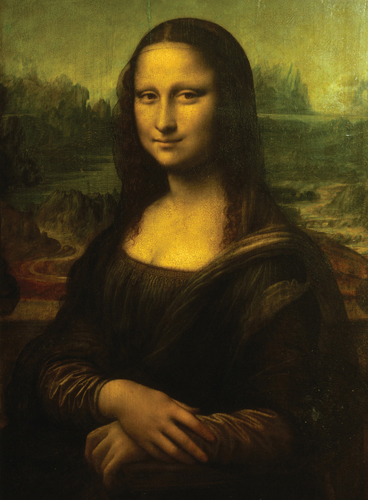


Mona Lisa, Leonardo da Vinci’s enigmatic portrait


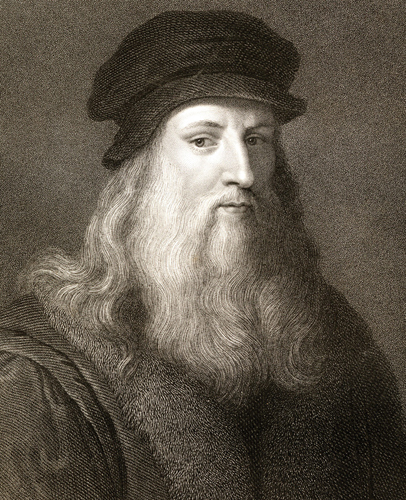
Leonardo da Vinci
A Renaissance man extraordinaire, Leonardo was not only an artist
but a sculptor, engineer, architect and scientist. His many
achievements included the study of anatomy and aerodynamics.


Top 10 Louvre Residents

  1. Charles V (1364–80)

  2. Henri II (1547–49)

  3. Catherine de’ Medici (1519–89)

  4. Henri IV (1589–1610)

  5. Louis XIII (1610–43)

  6. Louis XIV (1643–1715)

  7. Anne of Austria (1601–66)

  8. Guillaume Coustou, sculptor (1677–1746)

  9. Edmé Bouchardon, sculptor (1698–1762)

  10. François Boucher, artist (1703–70)