One of the world’s most impressive museums, the
Louvre contains some 35,000 priceless objects. Built as a fortress by
King Philippe-Auguste in 1190, Charles V (1364–80) was the first king to
make it his home. In the 16th century François I replaced it with a
Renaissance-style palace and founded the royal art collection with 12
paintings from Italy. Revolutionaries opened the collection to the
public in 1793. Shortly after, Napoleon renovated the Louvre as a
museum.
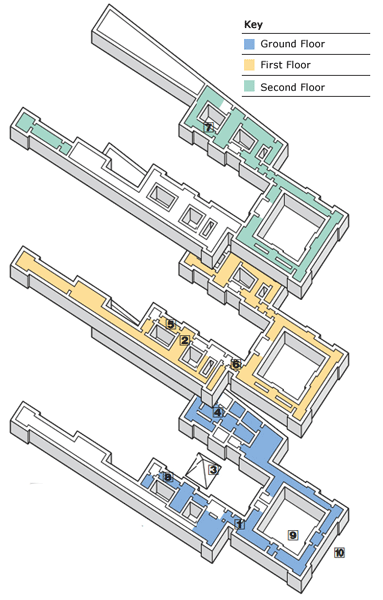
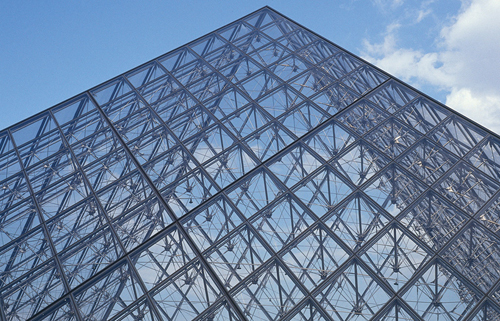
The foyer is under the
pyramid. Visitors who have tickets enter here or off the rue de Rivoli
(passage Richelieu). Alternatively, buy tickets at the Carrousel du
Louvre entrance (99 rue de Rivoli) and Porte des Lions. The Sully, Denon
and Richelieu wings lead off from the foyer. Painting and sculpture are
displayed by country, plus galleries for objets d’art, antiquities, prints and drawings. Don’t miss the temporary shows, contemporary and tribal art (Pavilion des Sessions, Denon). |


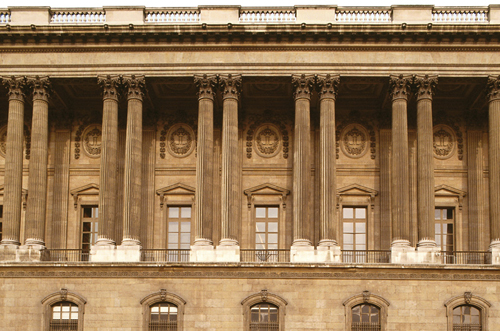
Musée du Louvre façade
Try out Le Café Marly in the
Richelieu Wing or the food court in Carrousel du Louvre. For a special
option make a reservation at the Grand Louvre restaurant below the
pyramid. |
|
Beat the queues and buy
tickets online or at machine kiosks at the Porte des Lions entrance at
the west end of the Denon WIng (except Friday). |
|
Top 10 Sights
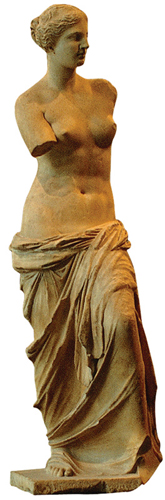
Venus de Milo
The
positioning of this statue (unless moved for renovation), dramatically
lit at the end of a hallway, enhances its beauty. It dates from the end
of the 2nd century BC and was discovered on the Greek island of Milos in
1820.

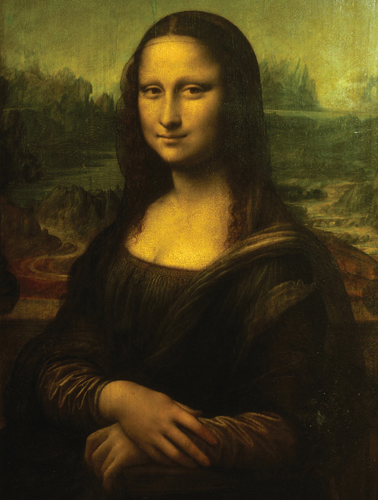
Mona Lisa
Arguably the most famous painting in the world, Leonardo’s portrait of the woman with the enigmatic smile (see Leonardo da Vinci and the Mona Lisa) has been beautifully restored. Visit early or late in the day.

Glass Pyramid
The
unmistakable pyramid, designed by I.M. Pei, became the Louvre’s new
entrance in 1989. Stainless steel tubes form the 21-m-high (69-ft)
frame.

Marly Horses
Coustou’s
rearing horses being restrained by horse-tamers were sculpted in 1745
for Louis XIV’s Château de Marly. Replicas stand near the Place de la
Concorde.
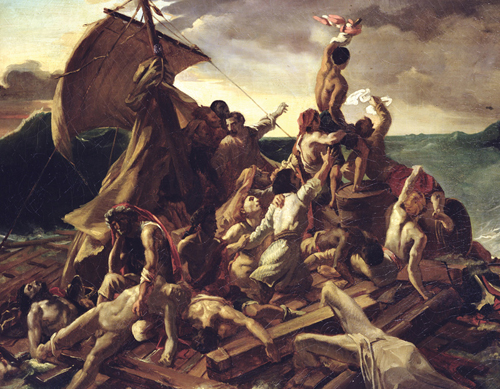
The Raft of the Medusa
A
shipwreck three years earlier inspired this early Romantic painting by
Théodore Géricault (1791–1824) in 1819. The work depicts a moment when
the survivors spot a sail on the horizon.

The Winged Victory of Samothrace
This
Hellenistic treasure (3rd–2nd century BC) stands atop a stone ship
radiating grace and power. It commemorates a naval triumph at Rhodes.
The Lacemaker
Jan
Vermeer’s masterpiece, painted around 1665 gives a simple but beautiful
rendering of everyday life and is the highlight of the Louvre’s Dutch
collection.
Slaves
Michelangelo
sculpted these two slaves (1513–20) for the tomb of Pope Julius II in
Rome. The unfinished figures seem to be emerging from their “prisons” of
stone.
Medieval Moats
An
excavation in the 1980s uncovered the remains of the medieval fortress.
You can see the base of the towers and the drawbridge support.
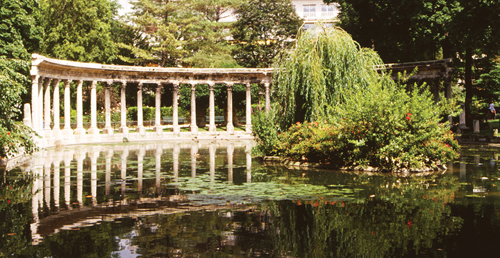
Perrault’s Colonnade
The
majestic east façade by Claude Perrault (1613– 88), with its columns,
was part of an extension plan commissioned by Louis XIV.