Healthy sweets
It’s always a good
idea to encourage your little ones to enjoy the natural sweetness of
foods, but when you need a little something to make tart foods more
palatable, go for honey (after 12 months), molasses, or maple syrup.
Unlike refined sugar, these sweeteners are rich in nutrients that will
encourage health rather than undermine it! Honey in particular contains
enzymes that act as a natural antiseptic.
Did you know…
that toddlers can
easily become dehydrated when feeling ill? If your child is reluctant
to drink what’s offered, try offering popsicles made from fresh fruit
juices such as pressed papaya, apple, or mango. If she turns her nose up
at the oral rehydration solution—try freezing it as a popsicle too.
Sucking on ice cubes may also help. If your child has clinical signs of
dehydration (see Are there any foods I should avoid when my toddler has a tummy bug?) and is not improving, or is becoming lethargic or clammy, you must see a doctor.

Mommy’s Chicken Soup
Even if chicken soup doesn’t have any proven medical benefits, a bowlful of golden broth is enough to comfort anyone who is feeling under the weather. I like to add extra vegetables, but if your child isn’t keen, leave them out and serve this as chicken noodle soup.
10 minutes
3 hours
1 onion, quartered
1 parsnip, cut into 4 chunks (optional)
1 large leek, halved and washed
1/2 celery stalk
1 garlic clove, peeled but left whole
3 sprigs of fresh thyme or a few parsley stems plus 1 small bay leaf (or a bouquet garni)
5 black peppercorns
5 cups water
2 tbsp frozen or canned naturally-sweet corn packed in water, drained
2 tbsp frozen green peas
1oz fine egg noodles or vermicelli
Put the chicken
portions in a large saucepan. Add the onion, carrot, parsnip (if using),
leek, celery, garlic, herbs, and peppercorns. Pour in the water and add
the bouillon cube (if using). Bring to a boil, skimming off any froth
with a slotted spoon, then reduce the heat to low, cover, and simmer
very gently for 11/4 hours.Bring the broth back to a
boil. Add the corn and peas, and crumble in the egg noodles. Cook for 3
minutes. Meanwhile, pull the chicken meat from the bones, discarding
the skin; chop the meat. Dice the reserved carrot and parsnip, and add
these to the soup. Taste and season, if necessary. Let cool slightly
before serving.
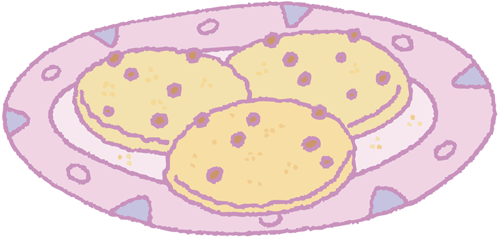
Oatmeal Raisin Cookies
Oats are a good source of tryptophan, which can raise the levels of serotonin and help with sleep. Raisins are a good source of magnesium, which also aids sleep.
20 minutes
16–18 minutes
NOTE
About 30
1/2 cup butter, at room temperature
6 tbsp granulated sugar
1 egg, beaten
1 tsp vanilla extract
2 cups rolled oats
1 cup whole wheat or white all-purpose flour, or 1/2 cup each
1/2 tsp ground cinnamon
1/2 tsp baking powder
1/4 tsp salt
Scant 1 cup raisins
Preheat the oven to 350°F.