What to wear A good impression
I know that first
impressions really make a difference so I wanted my teenager to have a
smart interview outfit. However, she likes to express her quirkiness
through her appearance so we had to find clothes that reflected her
personality and also showed a degree of formality. I vetoed anything
revealing or with a controversial logo, which she accepted. Before her
interview we checked the organization’s dress code, so she matched her
outfit with their expectations.
Because we bought new
clothes for the event she wore them a few times before to make sure they
were comfortable. I didn’t want her to seem ill at ease in her outfit
or be fidgeting with an itchy collar because that could have been really
off-putting and taken the focus off her answers.
NOTE
Most jobs are won or lost on the first impression your teenager gives, rather than the answers she provides
Preparing for work Reducing interview stress
Facing the prospect of
her first formal interview can be seriously daunting to your teenager.
Help her prepare to reduce stress on the day.
Investigate
Prompt your teenager to
find out as much as she can about the company or college and the role
before her interview. Asking to visit in advance and knowing the context
of the work can shape her answers and impress the panel.
Timing
Locating the
interview venue can be almost as stressful as the interview itself.
Coach your teenager through finding the place on a map and planning her
journey. Have a trial run of the trip together. For example, try out the
quickest bus route with the least changes and see how long it takes to
walk from the bus stop to the venue. This way she can get her timing
right and has one less thing to worry about on the day.
Practice
Find a quiet, private
place and offer to take part in a practice interview. It can feel
awkward but it will help on the day if your teen has had a go at
answering simple interview questions such as “Why do you want this
job/place at college?” and “What are the personal qualities you can
bring to the job/studying?” If she’s too embarrassed to do this with you
then write out the questions so she can practice with a friend.
Sell herself
Your teenager may find it
uncomfortable talking about all the things she is good at, perhaps
seeing this as boasting. Reassure her that she should say positive
things about herself and answer questions with plenty of detail about
the knowledge, skills, and personal qualities she has to offer.
Be honest
There is no doubt that
many people find interviews stressful so don’t pretend they’re a breeze.
Remind your teenager that most interviews are over within 30 minutes
and reassure her you have confidence she can cope with that.
Research
Knowing about the company,
what they do, and what the role might entail will all impress the
interviewer and reassure them that your child is keen and willing to
work.

Preparation
Help your teenager
work on her body language, so that during the interview she can try to
maintain eye contact and a calm, confident manner. This will impress the
panel and may make her feel reassured.

Money management An essential life skill
Budgeting, saving, and bank
fees may not be top of your teenager’s list of favorite discussion
topics, but she’ll thank you later if you give her a good start in money
management.
Comfortable with banking
Managing her own bank
account gives your teenager an insight and practice in money management
that she can’t gain in any other way. Involve her in the decision about
which bank and account will suit her needs, and open up the account
with her. Visiting the bank, in person and online, will ensure she’s
familiar with handling her account in both arenas.
The saving habit
It can be hard for your
teen to delay getting what she wants, but teaching her to budget and
save for a large item is essential if she’s to keep spending under
control. A regular savings plan, such as committing a portion of her
allowance or wages to be stashed in her bank account each week, sets up a
good saving habit.
Budgeting
The urge to splurge is
probably strong in your teenager, and is understandable when she first
gets her hands on an allowance or paycheck. Once the initial thrill has
worn off, try to encourage a bit of planning. Ask her to make a list of
the things she wants to use her money for and match these to her income.
Create a simple balance sheet so she can see what money is coming in
and where it is going. This way, she can make choices that keep her
within her budget.
Security
Handling money well
isn’t just about budgeting: Keeping cash and cards safe and secure is a
skill in itself. Teach your teenager some basic rules such as limiting
the amount of cash she carries around, keeping bank cards in a safe
place, managing her account online, and checking regularly to make sure
there are no purchases or charges she can’t account for. Impress upon
her that she must never give her PIN to anyone or record it so that
others can find it.
Model good money management yourself
Use a budget plan
yourself to keep family spending under control. Save up when you need a
big household item, rather than making an impulse buy. Pay bills on
time, and let your teenager see that you check bank statements to make
sure they’re correct.
Budgeting
Help your child draw up a
budget of his income and expenditures. Rewards for good management, such
as a contribution to an expensive item, may help to motivate him.
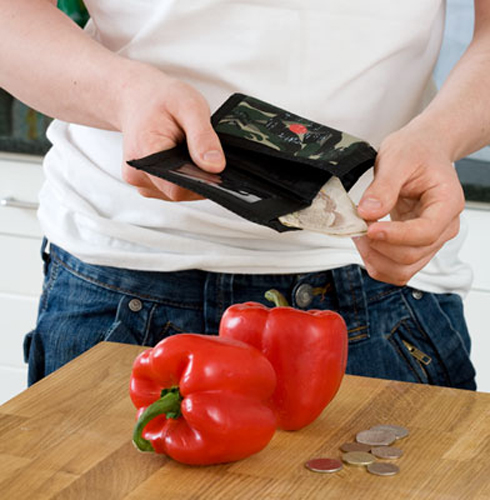
Practical
Allow your teen to do part
of the weekly food shopping with your money to help him to develop both
responsibility and money awareness. Start with small amounts at first.