Coping with exam stress Top 10 tips
Signs that your
teenager may be experiencing significant levels of stress include:
Negative thoughts and self-statements (“If I fail this my life is
over”); physical symptoms such as headaches, stomachaches, and
trembling; and changes in study behavior such as avoiding or putting off
work (more than usual).
All teenagers
experience some degree of exam stress due to fear of the consequences of
failing, judgments by parents, and repeated messages from others about
the importance of final grades. Too much stress will hinder your
teenager in study and exams. Discussing the following tips with him
should help to keep his stress levels down.
Plan a sensible study schedule in advance, allowing plenty of time to cover all subjects, and try to stick to it.
Take
regular breaks when studying: a 10-minute break every 40 minutes gives
the brain a chance to process information and keeps attention and
concentration levels up.Eat
regular, healthy meals, get plenty of sleep (late night, last-minute
cramming sessions are not usually helpful), and get some exercise—even
if it is just a walk around the block.Get
to the exam in plenty of time and pick a good spot: Sitting at the
front means it may be easier to get the teacher’s attention; sitting at
the back means a good view of how others are doing and who is leaving
early (not necessarily a good thing); and sitting by the exits may lead
to disruption during the exam if others leave before you.Take
a few relaxing deep breaths, read the instructions carefully, and jot
down any key points. Read each question thoroughly and try to write down
exactly what it is asking you.Answer
easy questions first to settle into the exam, build confidence, and
help with the recall of all the information that is bursting to get out.Resist
the temptation to leave the examination room as soon as possible.
Review work carefully, check that all questions have been answered, and
proofread for spelling, grammar, punctuation (which may cost you
points), and other simple mistakes.A
postmortem analysis with friends is inevitable, and sharing the
experience can be a good way to relieve the tension. Try not to engage
in too many question-by-question comparisons, though, as it’s a surefire
way to raise stress levels and undermine confidence. There are bound to
be differences in how questions are answered, but try to leave the
grading to the professionals.
Tips for parents
Try not to
crack the whip too hard along the way. Promote a healthy work/leisure
balance and reward efforts rather than performance to keep motivation
levels high.Keep
things in perspective—exams can feel like the most important thing in
the world at the time, but soon enough they will be a distant memory. If
one has gone especially badly, remember your child may be able to
retake it or submit extra work as a substitute.
Excess stress will hinder study and exam performance, so try to
help your teen plan sensible strategies. Ask if she wants your help and
discuss what form this could take, for example quizzing her or just
providing snacks.
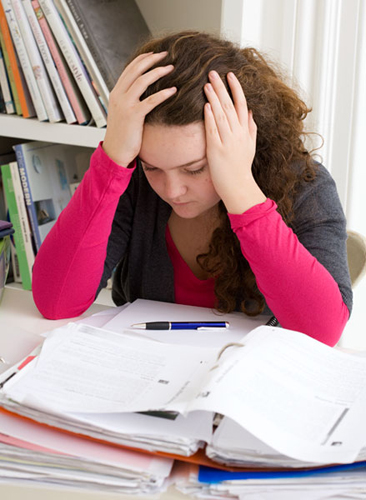
At the start of the exam, writing down key points for each question before answering it in full can help.

Engaging in an analysis after the exam may be inevitable, but
try not to get too worried about how others answered the questions.