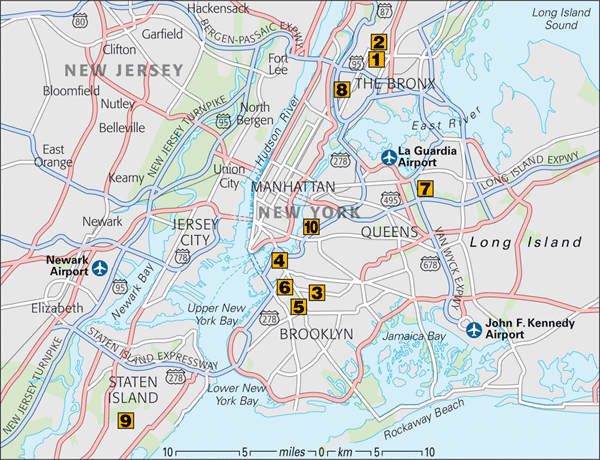
Manhattan is just one of New York’s five
boroughs, each of which has its own unique attractions. Brooklyn alone,
with its fine brownstone neighborhoods and numerous top-class sights,
would be one of the largest cities in the U.S. The Bronx, to the north,
boasts one of New York’s finest zoos, plus the New York Botanical
Garden and Yankee Stadium, while Queens, a veritable melting pot of
nationalities, is famous for its museums, ethnic dining, and numerous
sports events. The ferry to Staten Island leads to New York’s only
restored historic village.
The No. 7 Train to QueensThis Queens Council on the Arts, 79-01 Park Lane South, Woodhaven, NY 11421 |
Sights
Bronx Zoo
Well
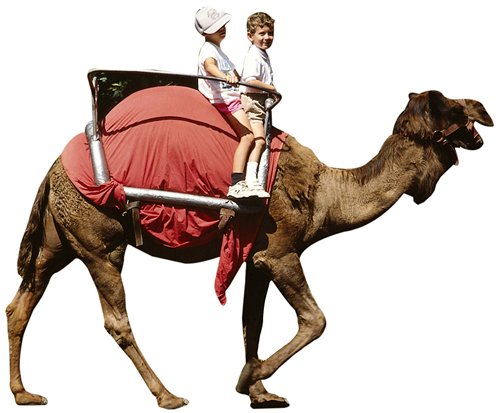
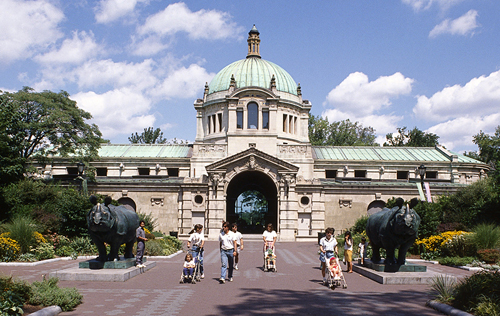
past its 100th birthday, this sprawling zoo on 265 acres gets better
all the time. The newest exhibit is Madagascar!, while Tiger Mountain
and the 6.5-acre Congo Gorilla Forest, an African rainforest habitat,
bring visitors nose to nose with the inhabitants. The unusual World of
Darkness shows nocturnal animals like bats in action.Bronx River Parkway & Boston Rd, Bronx
Subway (2, 5) West Farms Sq/East Tremont Ave
Open Apr–Oct: 10am–5pm Mon–Fri, 10am–5:30pm Sat, Sun, & hols; Nov–Mar: 10am–4:30pm daily
Admission charge
www.bronxzoo.com

Bronx Zoo

Bronx Zoo
New York Botanical Garden
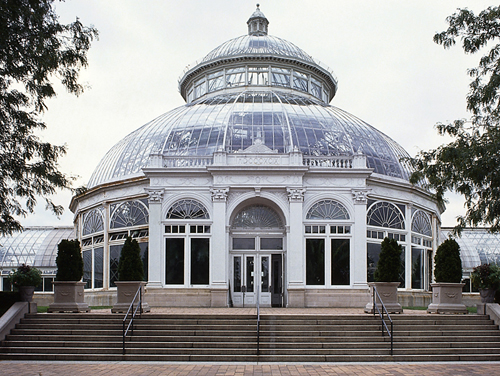
One
of the oldest and largest botanical gardens in the world, this National
Historic Landmark covers 250 acres and includes 50 gardens and plant
collections and 50 acres of forest, the only remains of woods that once
covered New York. The Enid A. Haupt Conservatory, a restored Victorian
glass house, is home to tropical rain forest and arid desert plants. A
tram makes it easy to see the highlights, and guided tours are offered.
The Leon Levy Visitor Center has a shop, a visitor orientation area, a
shop, and a café.Bronx River Parkway & Kazimiroff Blvd, Bronx
Subway Bedford Park Blvd
Open 10am–6pm Tue–Sun
Admission charge
www.nybg.org

New York Botanical Garden
Brooklyn Botanic Garden
This
52-acre garden designed by the Olmsted brothers in 1910 is home to more
than 12,000 plantings. It is best known for the Cranford Rose Gardens
where thousands of roses cascade down arches and climb lattices, and
the authentic Japanese Hill-and-Pond Garden, planted in 1915. It is
also known for its Cherry Esplanade and Cherry Walk, one of the
foremost cherry-blossom sites outside Japan. The Steinhardt
Conservatory houses tropical and desert plants and one of America’s
largest bonsai collections.900 Washington Ave, Brooklyn
Subway (2, 3) Eastern Pkwy
Open Mar–Oct: 8am–6pm Tue–Fri, 10am–6pm Sat, Sun, & hols; Nov–Feb: 8am–4:30pm Tue–Fri, 10am–4:30pm Sat, Sun, & hols
Admission charge (free Tue & Sat am)
www.bbg.org

Brooklyn Botanic Garden
Brooklyn Heights Historic District
Overlooking
the East River and lower Manhattan skyline, this district is an enclave
of old-world charm. Along its quaint streets are preserved, Federal,
wooden and brick townhouses of the 1820s and even grander Greek Revival
homes of the following decades.Court St to Furman St between Fulton & State Sts
Subway (2, 3) Clark St
Prospect Park
Frederic
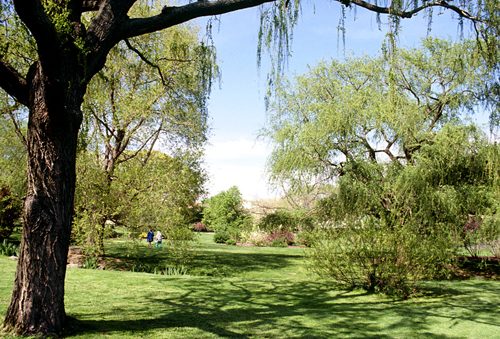
Olmsted and Calvert Vaux considered this park, opened in 1867, to be
their masterpiece. The 90-acre Long Meadow is the longest unbroken
green space in the city. The pools and weeping willows of the Vale of
Cashmere are particularly fine, along with Vaux’s Oriental Pavilion and
Concert Grove.Between Eastern Pkwy & Parkside Ave, Brooklyn
Subway Grand Army Plaza

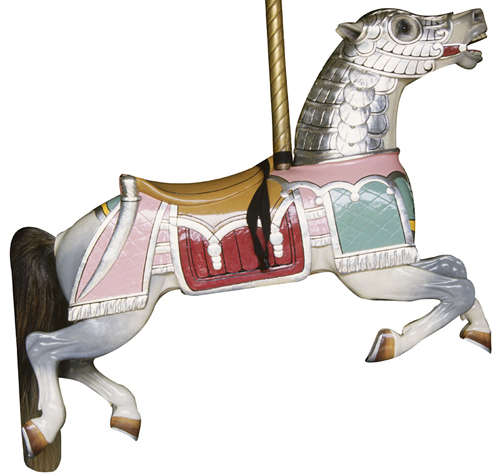
Carousel horse, Prospect Park
Park Slope Historic District
These
blocks on the western edge of Prospect Park became desirable places to
live after the opening of the Brooklyn Bridge in 1883. The Victorian
brownstones from the late 19th and early 20th centuries are outstanding
U.S. Romanesque Revival and Queen Anne residences.Prospect Park West to 8th Ave, between 14th St & St. John’s Pl, Brooklyn
Subway (F) 7th Ave

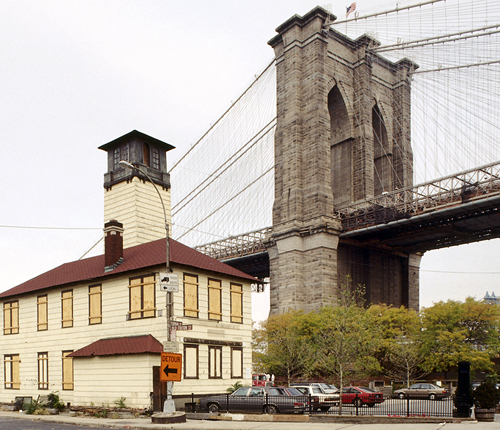
Brooklyn Bridge
Flushing Meadow-Corona Park
The
site of two World Fairs, this is now a spacious park with picnic areas,
fields for cricket and soccer, paths for bikers and skaters, boating
lakes, and many other attractions. The New York Mets’ Citi Field, the
U.S. Tennis Center, the New York Hall of Science, and the Queens Museum
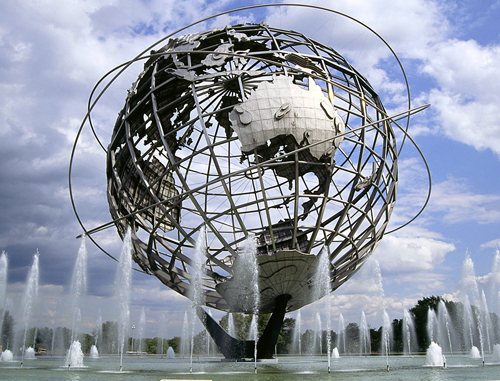
of Art are also here. The Unisphere, the symbol of the 1964 World Fair,
still stands.Queens
Subway (7) 111th St, Willets Pt–Shea Stadium

World’s Fair Unisphere, Flushing Meadow-Corona Park
Yankee Stadium
A
sports shrine, completed in 1923 and known as “The House that Ruth
Built” for the legions of fans who came to see superhero Babe Ruth, was
retired in 2008. Other legendary heroes of America’s most winning
baseball team include Joe DiMaggio and Mickey Mantle. The new Yankee
stadium incorporates Monument Park, consisting of retired number
plaques and statues of the greatest players.East 161st St and River Ave, Bronx
Subway (B, D, 4) 161st St Yankee Stadium
Opening times vary
Admission charge
Historic Richmond Town
This
restored village has 29 buildings from the town of Richmond, Staten
Island’s seat of government from 1729. Other historic buildings were
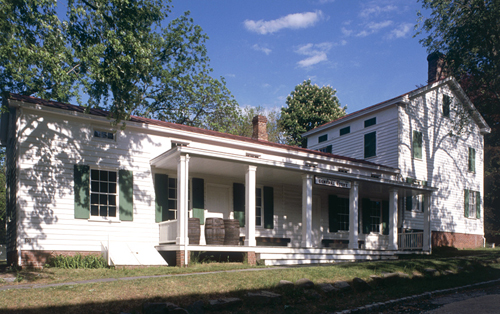
moved here from other sites. The Dutch-style Voorlezer’s House (1695)
is the island’s oldest home on its original site.441 Clarke Ave, Staten Island
Bus S74 from ferry
Open Sep–Jun: 1–5pm Wed–Sun; Jul–Aug: 11am–5pm Wed–Sat, 1–5pm Sun
Admission charge
www.historicrichmondtown.org

Historic Richmond Town
Williamsburg
This
was mostly a community of Hasidic Jews, Puerto Ricans, and Italians
until the 1990s when artists from Manhattan began to move here. The
heart of Williamsburg is Bedford Avenue, which is only a short journey
from Manhattan on the L subway line. Here you’ll find stores promoting
local designers, as well as bars and restaurants, where prices are
often lower than in Manhattan.Bedford Ave, Brooklyn
Subway L to Bedford Ave; Bus B39 or B61