When New York’s upper crust moved uptown a
century ago, their destination was the Upper East Side, and it is still
the address of choice for many wealthy families. Most of the older Beaux
Arts mansions around 5th Avenue are now occupied by embassies or
museums; today’s elite live in the solid apartment buildings that went
up on 5th and Park Avenues, convenient for patronizing the boutiques on
Madison, the city’s most exclusive shopping street. Only churches and a
few restaurants remain of German Yorkville or the Hungarian and Czech
neighborhoods that used to fill the blocks east of Lexington. Young
families now occupy the newer buildings in this area. For visitors, the
Upper East Side is home to many of the city’s best museums.
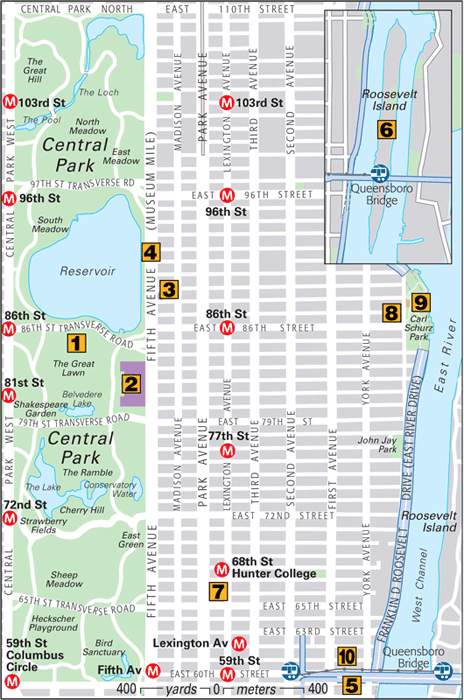
St. Nicholas Russian Orthodox CathedralAn unexpected bit of Russia, this building was |
Metropolitan Museum of Art
More a collection of museums, spanning 5,000 years of global culture .
Solomon R. Guggenheim Museum
A notable collection of modern art set in Frank Lloyd Wright’s only New York building .
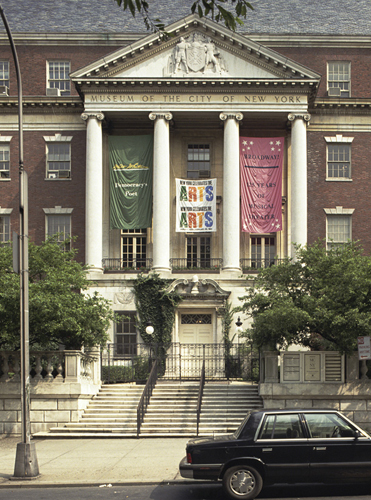
Museum Mile
Nine
museums are situated within one convenient mile. They unite for a free
open house day one Tuesday in June. Participants include the
Metropolitan Museum of Art, National Academy of Fine Arts, Cooper-Hewitt
National Design Museum, Soloman R. Guggenheim Museum, Jewish Museum,
Neue Gallery for German and Austrian Art, Museum of the City of New York, and El Museo del Barrio.5th Ave from 82nd to 104th Sts
Opening times vary

Museum of the City of New York
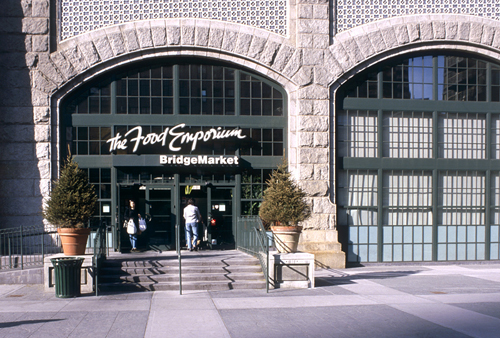
Bridgemarket
Britain’s
Sir Terence Conran was a major player in the development of this
cathedral-like space beneath the 59th Street bridge. The vaults are
among the most dramatic works by Rafael Guastavino, a Spanish architect
noted for his use of Catalan-style tiling. Beneath the grand ceilings
are a restaurant and a Food Emporium market. The complex, which is
responsible for the rapid revitalization of the neighborhood, also
includes the Conran Shop for high-end home decor, and a public plaza.59th Sts, between 1st & York Aves

Bridgemarket
Roosevelt Island
A
four-minute tram ride is the route to this East River enclave. Once
known as “Welfare Island,” when it was home to a prison, poor house, and
hospital for the insane, the 147-acre island was renamed and
redeveloped in the 1970s according to a master plan drawn up by Philip
Johnson and John Burgee, intended to create a quiet, almost traffic-free
residential community. The plan was not fully developed, although more
than 3,000 apartments were built, and while there is a subway stop from
Manhattan, the only auto access is via a bridge in Queens.Trams every 15 mins from TramPlaza, 2nd Ave at 59th St
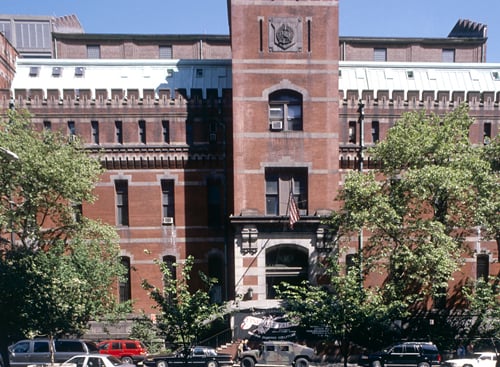
Park Avenue Armory
The
socially prominent members of the Seventh Regiment, formed in 1806
constructed a remarkable armory in 1877–89, with a drill room 200 by 300
feet (60 by 90 m) and 100 feet (30 m) high, and an administration
building in the form of a medieval fortress. Interior decoration was by
Louis Comfort Tiffany, Stanford White, and others, and the result is
opulent rooms with lavish Victorian furnishings. The drill room is used
for the prestigious Winter Antiques Show every January, as well as for
many society charity balls. A $150-million renovation project is
underway to convert the armory into a center for arts and education.643 Park Ave at 66th St
212 616 3937
Call to make an appointment to visit

Park Avenue Armory
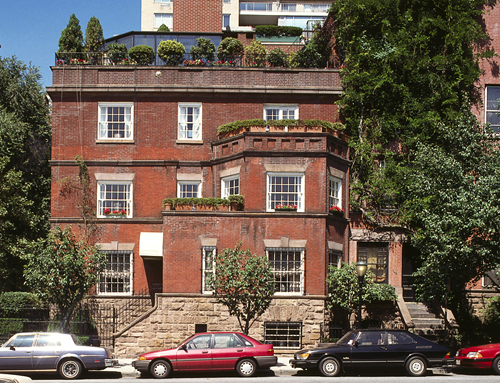
Henderson Place Historic District
Built
in 1881 by the developer John C. Henderson for “persons of moderate
means,” these winning Queen Anne houses made of brick and stone are
embellished with towers, bays, gables, dormers, and slate roofs. They
were an investment and remained in Henderson’s family until the 20th
century. Today they are unique in the city and rank among the most
desirable places to live. Each block front was composed as a unit, with
small towers at the end. Twenty-four of the original 32 units remain.East End Ave, between 86th & 87th sts

Henderson Place Historic District
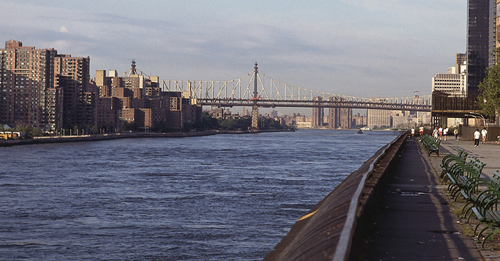
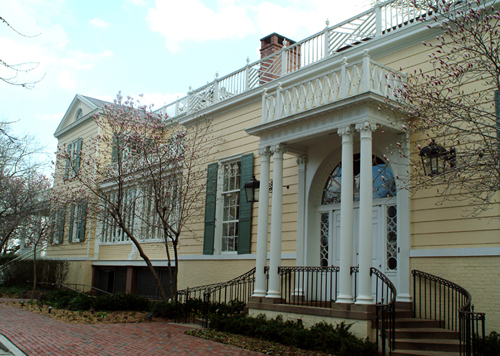
Gracie Mansion and Carl Schurz Park
The
wooden country home built by merchant Archibald Gracie in 1799 was the
original home of the Museum of the City of New York and became the
official residence of Mayor under Fiorello LaGuardia in 1942. It is
located at the northern end of a park laid out in 1891, with a wide
promenade that stretches along the East River. The park was named for a
statesman and newspaper editor who lived in the neighborhood.East End Ave at 88th St
212 639 9675
Open Apr–mid Nov, tours at 10am, 11am, 1pm, 2pm; Wed for pre-booked tours
Admission charge

River promenade

Official residence of the Mayor of New York
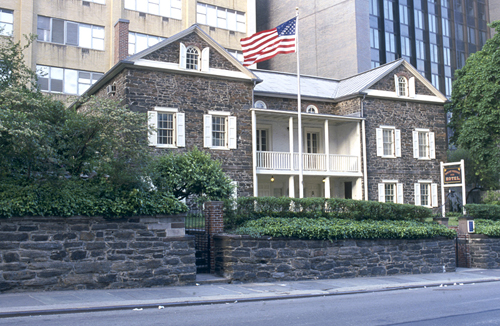
Mount Vernon Hotel Museum and Gardens
This
was the stone carriage house of a 1799 estate. When the house burned in
1826, the carriage house was converted into an inn and became a
fashionable resort for New Yorkers who wanted to escape to what was then
still countryside. The building and garden were restored by the
Colonial Dames of America in 1939, and furnished with historic objects.
Guides explain the unique history of the attraction.421 East 61st St, between 1st & York Aves
Open 11am–4pm Tue–Sun, closed August, public holidays
Admission charge

Mount Vernon