Bucatini all’amatriciana
Named
after Amatrice, the northern Lazio town high in the Abruzzi mountains
where it originated. The sauce consists of tomatoes mixed with Italian
bacon – guanciale (pork cheek) or pancetta
(pork belly) – laced with chilli pepper and liberally dusted with
grated Pecorino romano cheese. The classic pasta accompaniment are bucatini (thick, hollow spaghetti). The original amatriciana bianca version (before tomatoes, a New World food, entered Italian cuisine) adds parsley and butter.Spaghetti alla carbonara
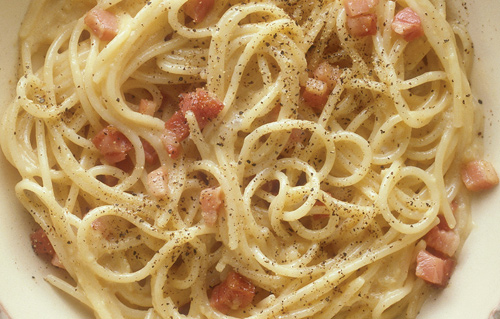
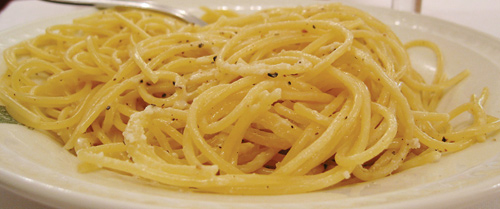
The
piping hot pasta is immediately mixed with a raw egg, grated Parmesan
and black pepper so that the eggy mixture cooks on to the strands of
spaghetti themselves. It is then tossed with pieces of pancetta
(bacon). There’s a local legend that the recipe was born out of US army
rations after World War II (powdered bacon and eggs mix), but no one
seems to have proven or discarded the theory.

Spaghetti alla carbonara
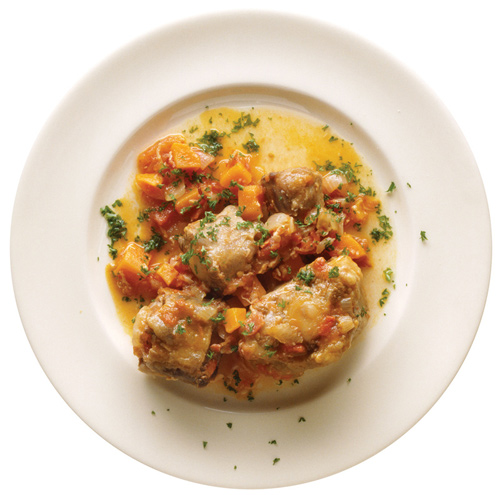
Coda alla vaccinara
Oxtail braised in celery and tomato broth. Like pajata, this is a product of trying to make something out of the quinto quarto
(the unusable “fifth fourth” of the day’s butchering), which was part
of the take-home pay of 19th-century slaughterhouse workers. Checchino
dal 1887, the restaurant that came up with this delicacy, is one of
Rome’s finest .

Coda alla vaccinara
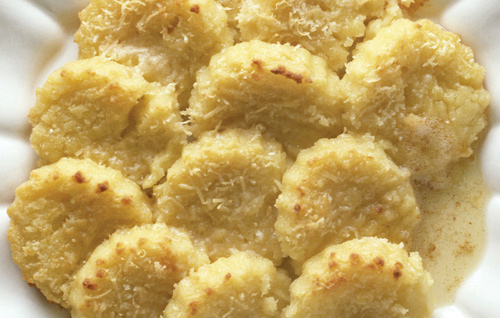
Gnocchi
Dense
and bite-sized potato and flour dumplings, gnocchi originated in
Northern Italy but have infiltrated nearly every regional cuisine.
Rome’s version of the dish is made with semolina and/or corn flour,
doused in butter and parmesan and oven-baked. The original gnocchi are
served much more frequently, however. Try them with tomato sauce,
gorgonzola cheese or simply “burro esalvia” with butter and sage.

Gnocchi