Seattle’s Top 10 : Day Trips: Mountain Getaways – Top 10 Features of Mount Rainier

  1. Mount Rainier

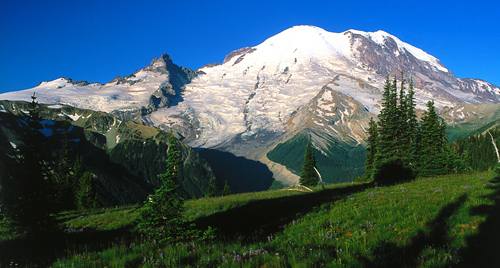
    This
    silent, snowcapped sentinel, the centerpiece of Mount Rainier National
    Park, is an awe-inspiring active volcano rising 14,410-ft (4,392-m)
    above sea level. Since the cataclysmic explosion of Mount St. Helens in
    1980, the Grand Dame of the Cascades commands new respect for its
    potentially devastating force.


    View of Mount Rainier


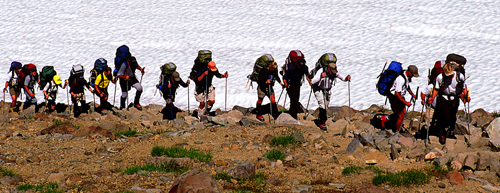
    Hikers at Paradise, Mount Rainier

  2. Mount Si

    Seattle’s
    closest Cascade Mountain, the rocky outcropping of Mount Si is just
    past Issaquah. The hike is steep but not too difficult, and the views of
    the Snoqualmie Valley watershed and I-90 are rewarding.

  3. Issaquah Alps

    This
    series of foothills west of the Cascades are remnants of mountains that
    predate the higher and more visited peaks to the east. Cougar, Squak,
    Tiger, and Rattlesnake Mountains are four main park areas that attract
    individuals and families seeking woodland walks without steep drops or
    high altitude.

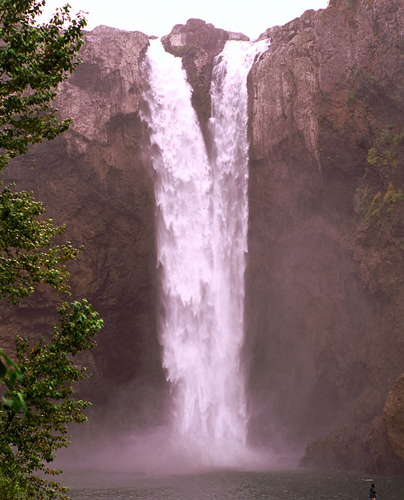
  4. Snoqualmie Falls

    Local
    Native American tribes regarded Snoqualmie Falls as a sacred place. The
    276-ft (84-m) waterfall, beautifully divided in two sections by a
    convenient rock outcropping, marks the end of the Cascade Plateau, where
    the Snoqualmie River begins its final descent to the sea. An
    observation deck and a steep path to the river allow for close-up
    breathtaking views.


    Snoqualmie Falls

  5. Twin Falls

    Hikers
    wanting a short spell of deep woods and water head to Olallie State
    Park, where a 3-mile (5-km) trail to Twin Falls awaits. The park’s
    amazing plant life includes giant ferns and salmonberry, and some of the
    Cascades’ few old-growth trees. One Douglas fir has a circumference of
    14 ft (4 m).

  6. Denny Creek

    Hiking
    near Snoqualmie Pass along I-90 is a mecca for families with kids. The
    creek pours over a series of rocks and creates pools for perfect
    old-fashioned swimming hole fun.

  7. Tonga Ridge

    The
    6.5-mile (10-km) trail in the Alpine Lakes Wilderness offers a pleasant
    walk through forests and wild berry picking when the season’s right.
    Meadows bloom in a kaleidoscope of colors in late spring, and mountain
    scenery abounds.

  8. Staircase Rapids

    The
    ferry crossing and subsequent scenic drive along the Hood Canal enhance
    the journey to these rapids. The popular route inches near the
    fast-flowing Skokomish River as it pours down the eastern slopes of the
    Olympic Range on its way to Lake Cushman. Look out for kingfishers,
    harlequin ducks, and giant salamanders on the 2-mile (3-km) loop.

  9. Hurricane Ridge

    Drive
    to this 5,230-ft (1,594-m) mountain top at one of Olympic National
    Park’s most visited sites. The routes are paved, and bring visitors to
    one of the best 360-degree alpine overlooks. In winter, when the
    snowpack is immensely deep, the roads remain open for skiers and
    snowshoers.

  10. Big Four Ice Caves

    Global
    warming has taken a toll on ice caves, but the attraction at the base
    of 6,153-ft (1,875-m) Big Four Mountain in the North Cascades is still
    vital. Hike the 1-mile (1.6-km) trail off the Mountain Loop Highway to
    the Ice Caves, the unusual result of alpine avalanches and climate
    conditions impacting the ice field at the mountain’s base.

Top 10 Features of Mount Rainier

  1. Paradise

    Leads
    to wildflower-filled meadows, and trails starting at 5,400-ft (1,646-m)
    to moraines and majestic views of the Nisqually Glacier.

  2. Sunrise

    Recommended as starting point for solitary hikes.

  3. Summit Climb

    A
    round-trip to the crater and back requires training, professional gear,
    and a few days. Hire a guide or go with a group if you’re not a
    seasoned climber.

  4. Family Day Hikes

    Dozens of trails for family day trips and picnics are available; try one out near the Carbon River entrance.

  5. Wonderland Trail

    This
    93-mile (149-km) trail through several mini-ecosystems around the
    mountain is ideal for serious backpackers with weeks to spare.

  6. Cloud Lid

    Rainier’s cloud cover often resembles a flying saucer hovering above the peak.

  7. Glacial Melting

    Climate changes have decreased the area of Rainier’s permanent snow cap and facilitated glacial retreats.

  8. Jökulhlaups & Lahars

    Glacial floods and debris flows can move at speeds up to 60 mph (95.5 km/h).

  9. Sleeping Giant

    Experts agree that it’s a question of when, and not if, Mount Rainier’s active volcano will blow again.

  10. Pollution’s Effects

    Smog from automobile traffic now obscures the mountain more and more.