Washington, D.C.’s Top 10 : Places of Politics and Intrigue – Top 10 Congressional Leaders in History


  1. Embassy Row

    Since
    the 19th century, Embassy Row, the string of great mansions heading
    west from Dupont Circle up Massachusetts Avenue, has been a hotbed of
    gathering and suppressing information. Today, 46 embassies and
    chanceries here help shape foreign policy by allowing issues to be
    discussed without the glare of public announcement.


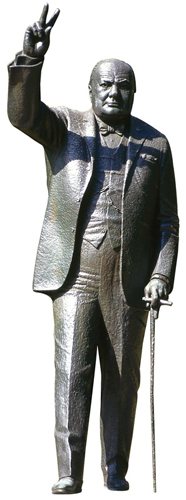
    Churchill statue, Embassy Row

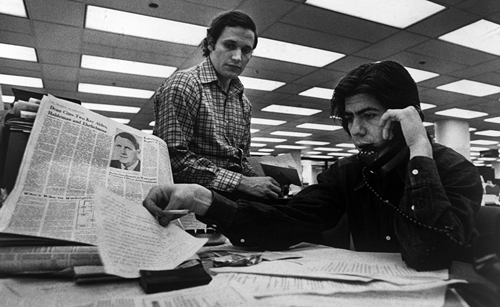
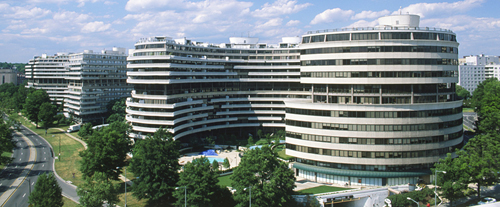
  2. Watergate and Washington Post Newsroom

    The
    Watergate complex became the most infamous apartment and office complex
    in the world when a bungled burglary there, as part of an espionage
    campaign against President Nixon’s opponents, led to his resignation . The newspaper that played the main role in revealing the scandal, the Washington Post, offers tours to groups on Mondays (write to request a tour two weeks in advance).

    Watergate

    • Virginia Ave, NW

    Washington Post newsroom

    • 1150 15th St, NW

    • 202 334 7969


    Washington Post newsroom during the Watergate scandal


    Watergate complex
  3. Katherine Graham House

    The Georgetown home of Katherine Graham, publisher of the Washington Post from 1963 to 2001, provided a salon for politicians of every persuasion to discuss issues of the day.

    • 2920 R St, NW

    • Closed to the public

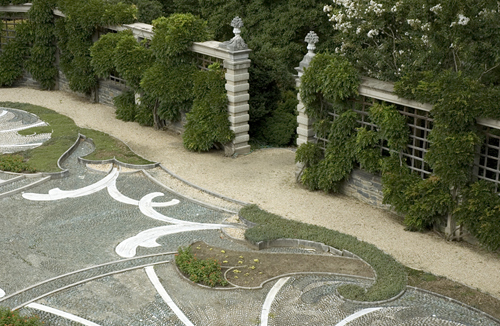
  4. Dumbarton Oaks

    In
    1944, representatives of China, the Soviet Union, United Kingdom, and
    the United States developed proposals at Dumbarton Oaks for an
    international body to bring peace among nations. The result was the
    United Nations .


    Dumbarton Oaks

  5. International Spy Museum

    This
    fascinating museum examines clandestine operations in political and
    military decisions. Artifacts include an example of Enigma, the World
    War II German encryption device, and a camera designed to photograph
    through walls.

    • 800 F St, NW

    • Open Apr–Oct: 10am–8pm daily; Nov– Mar: 10am–6pm daily; closed Thanksgiving, Dec 25, Jan 1

    • Dis. access

    • Adm

  6. Private Clubs

    Lobbyists
    regularly frequent private clubs in the downtown area, such as the
    National Democratic Club and Army and Navy Club, as well as country
    clubs such as the Congressional Country Club, where a little discreet
    politicking is accepted and expected.

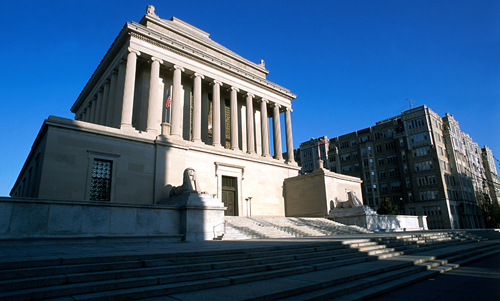
  7. House of the Temple Library

    This
    is a serious library with many rare items, but its appeal lies in the
    insights it offers into famous Washingtonians, especially the large
    display on J. Edgar Hoover.

    • 1733 16th St, NW

    • Open 8am–4pm Mon–Fri and some Sats

    • 202 232 3579


    House of the Temple Library

  8. FedEx Field

    The Washington Redskins
    are something of a local religion. At home games, the cigar bar, club
    seating levels, and luxurious suite- and box-seating are filled with
    lobbyists, campaign donors, and activists schmoozing with each other.

  9. Political Dining

    The Monocle has a history of fostering alliances and deals – it is the closest restaurant to the Senate side of the Capitol. The Caucus Room is largely funded by political insiders, and popular for high-profile power-dining.

    The Monocle

    • 107 D St, NE

    • 202 546 4488

  10. The Inn at Little Washington

    This
    famed restaurant, west of the city, is a prime spot for entertaining to
    impress, and the one-hour drive there and back provides time for
    lobbyists to bond and bargain – assuming the car is bug-free.

    • Middle & Main sts, Washington, VA

    • 540 675 3800


Top 10 Congressional Leaders in History

  1. James K. Polk

    A
    supporter of Andrew Jackson, Polk (1795–1849) led the fight in the
    administration’s conflict with the banks. He became president in 1845.

  2. Daniel Webster

    Webster (1782–1852) is credited as the finest speaker in defense of the Union in debates over slavery.

  3. Henry Clay

    A great orator (1777–1852) known for his proposals for compromise over slavery.

  4. William Boyd Allison

    Allison (1829–1908) was a major force in shaping US laws passed in the 19th century.

  5. Henry Cabot Lodge

    This distinguished patrician (1850–1924) opposed corrupt influences of big business.

  6. George W. Norris

    Norris (1861–1944) was author of the 20th Amendment to the US Constitution, clarifying issues related to tenure in office.

  7. Joseph Taylor Robinson

    The death of this leader (1872–1937) was attributed to overwork associated with New Deal proposals.

  8. Margaret Chase Smith

    Smith (1897–1995) publicly condemned the anti-Communist smear tactics of Senator Joseph McCarthy.

  9. Sam T. Rayburn

    Rayburn (1882–1961) witnessed the administrations of eight presidents.

  10. John W. McCormack

    McCormack (1891–1980) was instrumental in passing the Civil Rights Acts of 1964 and 1968.