Madrid’s Top 10 : People and Places of La Movida – Top 10 Moments of La Movida

  1. Plaza Dos de Mayo

    On
    2 May 1976 a young couple climbed on to the statue of Daoíz and Velarde
    and performed a striptease in front of a boisterous crowd of youngsters
    celebrating on the square. This was one of the first manifestations of
    the movida (scene), a period of hedonism, enthusiasm and creative energy.

  2. Pedro Almodóvar

    The controversial Academy Award-winning film director shot his first movie, Pepi, Luci, Bom
    in 1980. Iconoclastic and subversive, his bizarre characters –
    drugpushing nuns, pill-popping housewives and outrageous transvestites –
    shocked a society that was only just emerging from the Franco era and
    captured the spirit of the movida on celluloid.

  3. Ceesepe

    This self-taught artist (real name Carlos Sánchez Pérez) was a leading figure of the movida.
    He produced posters for several of Almodóvar’s films, as well as book
    illustrations, cartoons and record covers. His exhibition, the “Last
    Supper”, in the Moriarty Gallery in 1983, brought him to the attention
    of a wider public.

  4. Ouka Lele

    Madrid-born
    photographer Ouka Lele (real name Bárbara Allende) got her big break in
    1984 when her work was shown at the Moriarty Gallery. She is now one of
    Spain’s most famous photographers.

  5. Moriarty Gallery

    Lola
    Moriarty’s art gallery in Calle Almirante (still going strong) was
    enormously influential in promoting the careers of artists and
    photographers of the movida. Her husband, Borja Casani, was editor of Luna,
    a monthly magazine which published stories by Almodóvar and others. In
    1984 Casani hired the entire Hotel Palace for a party attended by
    several thousand movidistas.
  6. Mecano

    One of Spain’s best known pop bands of the movida
    was formed by brothers José and Nacho Cano, and singer Ana Torroja.
    They hit the big time after persuading a Madrid radio station to play
    their first single.

  7. Rock Ola

    This La Latina nightclub was one of the most important venues of the movida period. Regularly closed down by the police because of drug dealing, it was here that all the influential movida bands played.

  8. Enrique Tierno Galván

    This
    former Professor of Marxist philosophy was elected Mayor of Madrid in
    1979 and it was his tolerant and relaxed approach that made the movida possible. One million people attended his funeral in 1986.

  9. Fashion Designers

    The movida
    spawned a new generation of fashion designers who were all to become
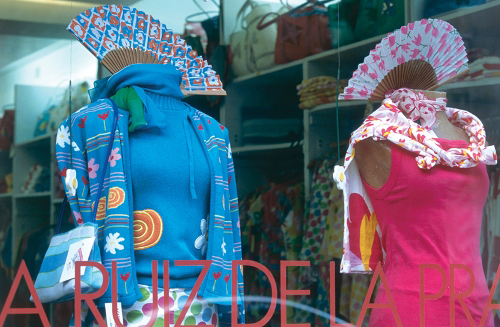
    international names. Jesús del Pozo, Adolfo Domínguez and Ágatha Ruíz de
    la Prada all flouted the fashion conventions of the day.


  10. Luís Antonio de Villena

    Villena’s novel Madrid ha muerto (Madrid has died), published in 1999, points out the scene’s darker side, as youthful hopes and ideals give way to disillusionment.


Top 10 Moments of La Movida

  1. Death of General Franco

    The dictator’s death in 1975 marked the end of more than 35 years of authoritarian rule.

  2. Striptease

    This impromptu act in 1976 on Plaza Dos de Mayo reflected a new rebellious spirit in the capital.

  3. Enrique Tierno Galván

    The liberal minded mayor was elected in 1979.

  4. Pedro Almodóvar

    The film director released his first full length film, Pepi, Luci, Bom, y otras chicas de Montón in 1980.

  5. Ágatha Ruíz de la Prada

    The innovative fashion designer showed her collection in Madrid in 1981.

  6. Luna

    In 1982 this flagship magazine of the movida first appeared, and the city held its first carnival since Franco.

  7. El Travelling

    In 1983 this bar opened on Calle del Olivar and joined Rock Ola and El Sol as an important movida venue.

  8. Ouka Lele

    The photographer staged her first show at the Moriarty Gallery in 1984.

  9. Law of Desire

    Almodóvar’s
    1986 film explored obsessive homosexual love and starred the young
    actor Antonio Banderas. It is Spain’s top-grossing film.

  10. End of La Movida

    In 1991 the socialists lost power in Madrid, a sign that the social climate was turning against the movida.