A glorious example of Medieval architecture on a
truly grand scale, this former Benedictine abbey church stands on the
south side of Parliament Square.
Founded in the 11th century by Edward the Confessor, it survived the
Reformation and continued as a place of royal ceremonials. Queen
Elizabeth II’s coronation was held here in 1953 and Princess Diana’s
funeral in 1997. Royals, deans, statesmen, poets and writers are all
buried or remembered here.
Broad Sanctuary SW1 020 7222 5152
www.westminster-abbey.org
Abbey: open 9:30am–3:30pm Mon–Fri, 9:30am–1:30pm Sat. Open Sun for worship only Museum: open 10:30am–4pm daily Chamber and Chapter House: open 10am–4pm daily Admission: adults £12; concessions £9; family £28; under 11s free
|
A Benedictine
monastery was established by St Dunstan (AD 909–988) on what was the
marshy Isle of Thorney. King Edward the Confessor re-endowed the
monastery, and founded the present church in 1065. William the Conquerer
was crowned here in 1066. Henry III’s architect Henry of Reyns rebuilt
much of the church in 1245. The nave was completed in 1376. The eastern
end of the church was extended by Henry VII who had the Lady Chapel
built. Finally, in 1734–45, the twin towers on the west front were
completed by Nicholas Hawksmoor. |

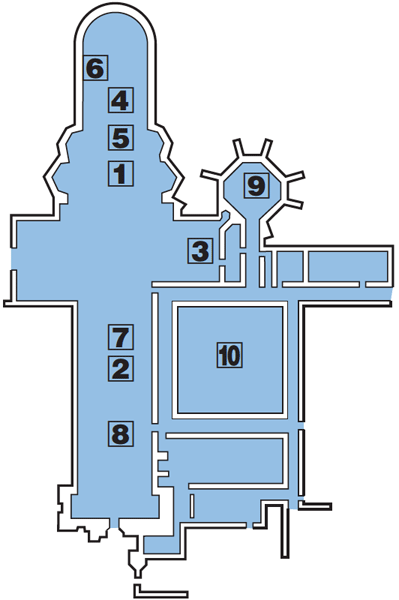
Abbey Floorplan
Hear the choir sing at services at 5pm every weekday, 3pm on Saturdays and at the three Sunday services. |
|
Listen to free organ recitals at 5:45pm every Sunday. |
|
Guided tours and audio guides are available. |
|
Top 10 Sights
St Edward’s Chapel
The
shrine of Edward the Confessor (1003–66), last of the Anglo-Saxon
kings, lies at the heart of the Abbey. He built London’s first royal
palace at Westminster, and founded the present Abbey.

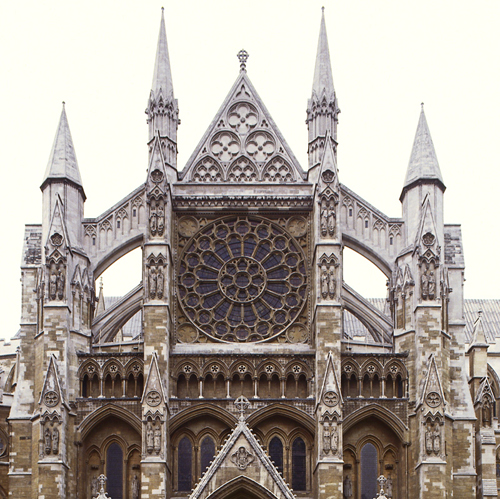
The Abbey’s north transept
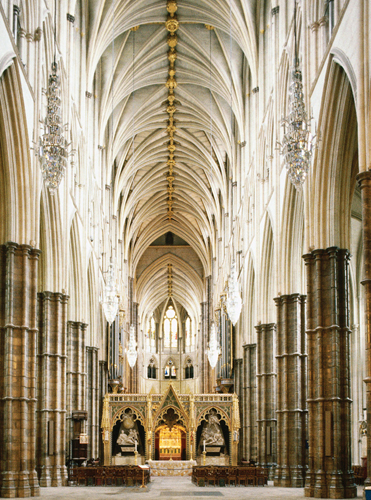
Nave
At
32 m (102 ft), this is the tallest Gothic nave in England. Built by the
great 14th-century architect Henry Yevele, it is supported externally
by flying buttresses.

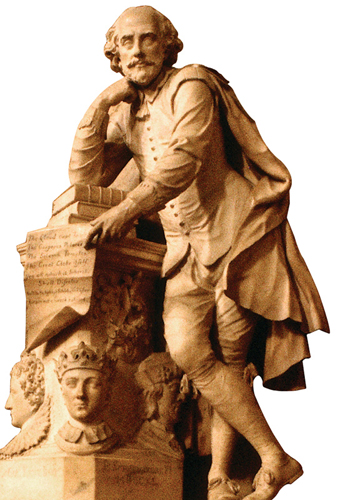
Poets’ Corner
This corner of the transept contains memorials to many literary giants, including Shakespeare and Dickens.

Lady Chapel
The
fan vaulting above the nave of this eastern addition to the church is
spectacular late Perpendicular. Built for Henry VII (1457–1509), it
includes two side aisles and five smaller chapels and is the home of the
Order of the Bath .
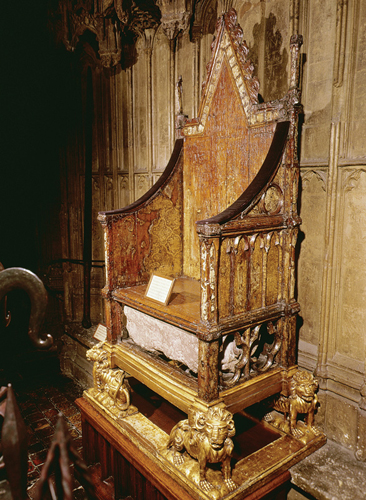
Coronation Chair
This
simple chair was made in 1301 for Edward I. It is placed in front of
the high altar screen on the 13th-century mosaic pavement when used for
coronations.

Tomb of Elizabeth I
England’s
great Protestant queen (1553–1603) is buried on one side of the Lady
Chapel while the tomb of her Catholic rival, Mary Queen of Scots
(beheaded in 1587), is on the other side. Mary’s remains were brought to
the abbey by James I in 1612.
The Choir
The
all-boy Westminster Abbey Choir School, the only school in England
devoted entirely to choristers, produces the choir which sings here
every day. The present organ was installed in 1937 and first used at the
coronation of George VI.
Grave of the Unknown Warrior
The body of an unknown soldier from the battlefields of World War I was buried here in 1920. He represents Britain’s war dead.
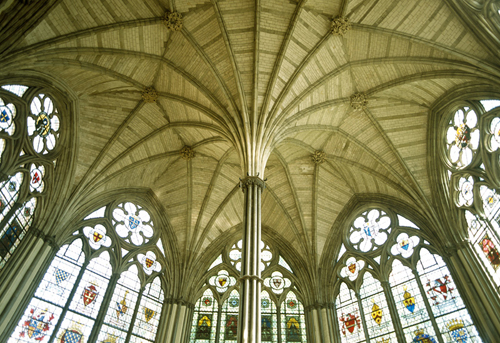
Chapter House
This
octagonal building with a 13th-century tiled floor is where the Abbey’s
monks gathered. The House of Commons met here between 1257 and 1542. It
is now run by the Abbey and can also be reached via Dean’s Yard.

Cloisters
The
cloisters were located at the heart of the former Benedictine monastery
and would have been the monastery’s busiest area. On the east side are
the only remaining parts of the Norman church, the Pyx Chamber, where
coinage was tested in medieval times, and the Undercroft, which contains
a museum.