Barcelona’s
Modernista
movement reached its aesthetic culmination in this magnificent concert
hall (1905–1908), designed by renowned architect Lluís Domènech i
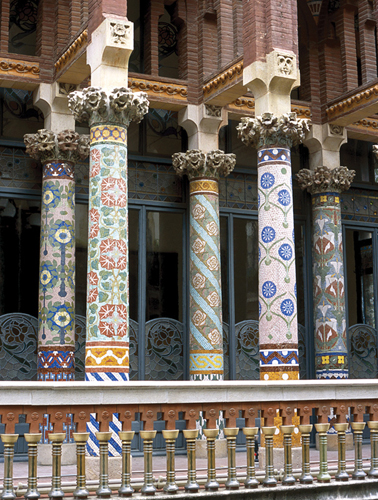
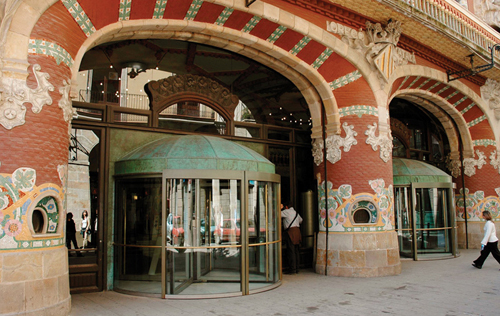
Montaner. The lavish façade, ringed by mosaic pillars and brick arches,
just hints at what awaits within. Domènech’s “garden of music” (as he
called it) unfolds beyond the front doors, with each surface of the
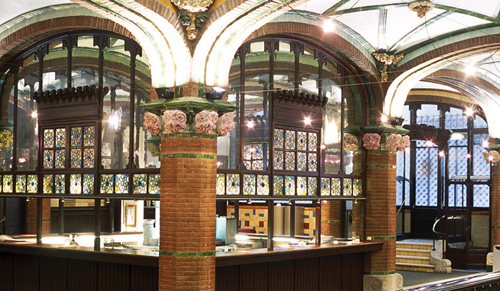
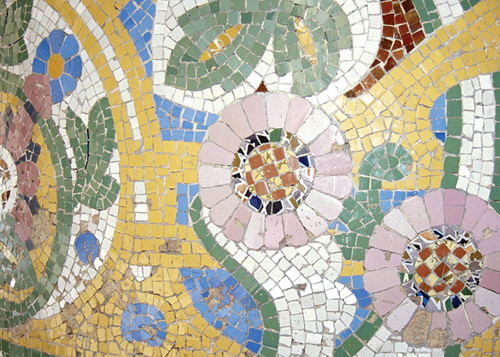
ornate foyer, from pillars to banisters, emblazoned with a flower motif.
The concert hall – designed so that its height is the same as its
breadth – is a celebration of natural light and forms, climaxing in a
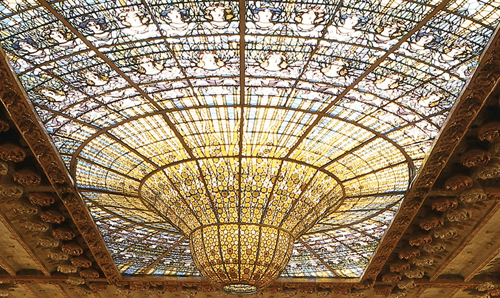
stained-glass, golden orb skylight that showers the hall with sunlight.
Perhaps the most famous
choral group to perform here is the Orfeó Català, for whom the concert
hall was originally built. This 90-person chorus performs regularly and
holds a concert on 26 December every year. Book in advance. |
For a pre-concert, cocktail, settle in at the Modernista stained-glass bar just beyond the foyer. |
|
Enjoy bargain early concerts, which usually happen twice monthly around 6 or 7pm on Saturday (Sep–Jun) and Sunday (Feb–May). |
|
Buy tickets for the shows and guided tours from the ticket office round the corner at C/Sant Francesc de Paula 2 (90 244 28 82), open 10am–9pm daily.
|
|
Top 10 Features
Stained-Glass Ceiling
Topping
the concert hall is a breathtaking, stained-glass inverted dome
ceiling, surrounded by 40 angels. By day, light streams through the
fiery red and orange stained glass, illuminating the hall.

Stage
The
main, semicircular stage swarms with activity – even when no-one’s
performing. Eighteen mosaic and terracotta muses spring from the
backdrop, playing everything from the harp to the castanets.
Stained-Glass Windows
Blurring
the boundaries between the outdoors and the interior, Domènech
encircled the concert hall with vast stained-glass windows to let in
sunlight and reveal the changing times of day.
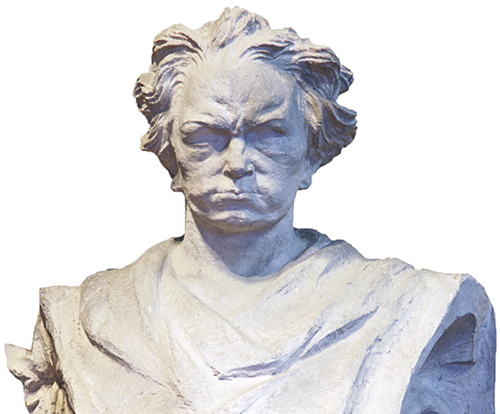
Busts
A
bust of Catalan composer Josep Anselm Clavé (1824–74) celebrates the
Palau’s commitment to Catalan music. Facing him across the concert hall,
a stern-faced, unruly-haired Beethoven represents the hall’s classical
and international repertoire.

Horse Sculptures
Charging
forth from the ceiling are winged horses (by the sculptor Eusebi
Arnau), infusing the concert hall with movement and verve. Also depicted
is a representation of Wagner’s chariot ride of the Valkyries, led by
galloping horses that leap toward the stage.
Chamber Music Room
Designed
as a rehearsal space, the semicircular, acoustically-sound Chamber
Music Room is a smaller version of the massive concert hall one floor
above. In its centre is an inlaid foundation stone commemorating the
construction of the Palau.
Lluís Millet Hall
Named
after Catalan composer Lluís Millet, this immaculately preserved lounge
boasts gorgeous stained-glass windows. On the main balcony outside are
rows of stunning mosaic pillars.

Foyer & Bar
Modernista
architects worked with ceramic, stone, wood, marble and glass, all of
which Domènech used liberally, most notably in the opulent foyer and
bar.

Façade
The towering façade reveals
Modernista delights on every level. An elaborate mosaic represents the Orfeó Català choral society, founded in 1891.


Façade, Palau de la Música Catalana
Concert & Dance Series
Over
300 concerts and dance shows are staged each year, and seeing a show
here is an experience not to be missed. For traditional Catalan dance
and choral singing, look out for the
Cobla, Cor, i Dansa series (usually begins February).