Berlin’s Zoological Garden is Germany’s oldest zoo
and, with near 1,500 different species, it is one of the best-stocked in
the world. Animals have been kept and bred here, in the northwest of
the Tiergarten district, since 1844. A total of about 15,000 animals
live in the zoo, ranging from saucer jellyfish to the Indian elephant.
Some enclosures are interesting buildings in their own right. In summer,
a visit to the zoo is a favourite day out for Berliners, and many
animals, such as the panda and baby gorillas, have become celebrities.


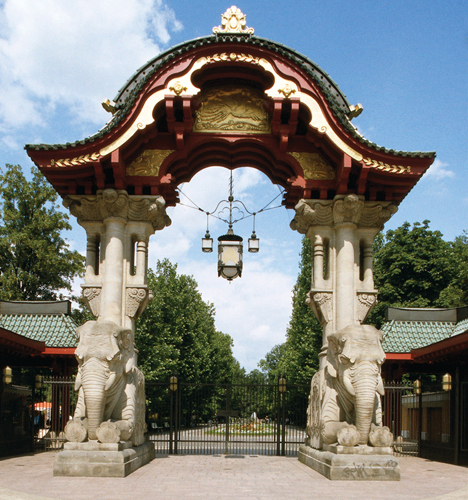
The Elephant Gate – the Zoo’s main entrance
There is a café and self-service restaurant with a terrace inside the zoo, to the right of the Elephant Gate. |
|
A day at the zoo is not
complete without a visit to the aquarium. The basins and terraria teem
with life, as do the zoo enclosures. A combined ticket for €18 entitles
you to visit both zoo and aquarium. |
|
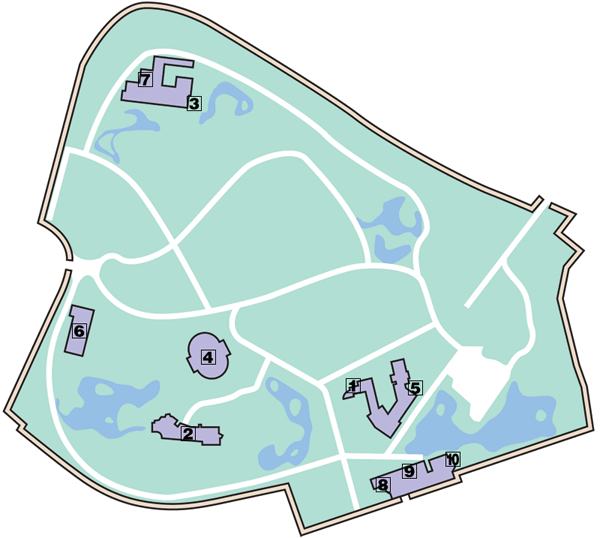
Top 10 Zoo Sights
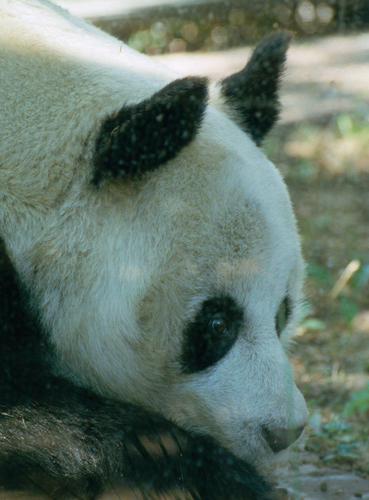
Panda Bears
Bao-Bao
the Giant Panda (one of the most endangered species in the world) is
one of the great stars of the Berlin Zoo. He was presented to Germany by
China as an official gift in 1980. His female partner Yan Yan, who was
on loan from China, died in 2007.

Monkey House
Monkeys
and apes are at home in this house, and here you can watch gorillas,
orangutangs and chimpanzees swinging from tree to tree and playing in
the straw. The Eastern Lowland Gorillas are very popular.
Polar Bears
Polar
bear, Knut, is another star of the zoo. Born in 2006 and now fully
grown, he was the first polar bear born here in over 30 years.
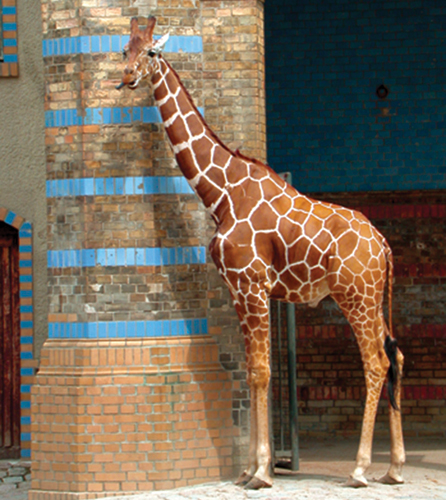
Giraffe House
The
African-style Giraffe House is the oldest house (1871–2). Visitors
enjoy watching the giraffes as they nibble the leaves of a tree or bend
down, in slow motion, to take a drink.

Nocturnal Animal House
This
house, in the cellar of the Predatory Animal House, houses the
creatures of the night, including nocturnal reptiles and birds. Here you
can admire striped bandicoots, fruit bats and slender loris. Asleep
during the day, their hearing is outstanding and their eyes may light up
uncannily in the dark.
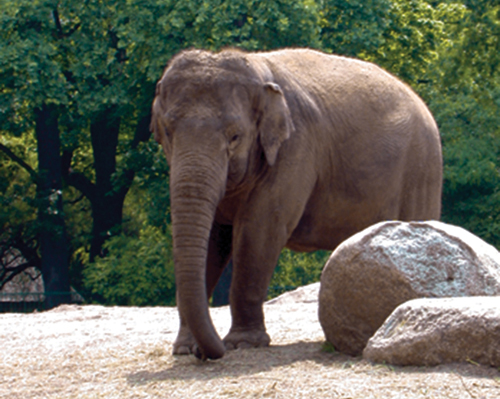
Elephant House
These
good-natured pachyderms have a healthy appetite: fully-grown male
Indian elephants devour up to 50 kg (110 lb) of hay a day! Two elephants
have been born in captivity.

Aviaries
Nowhere
else in the city can you hear such singing, tweeting and whistling –
cockatiels, parrots, hornbills and humming-birds sound off in the Bird
House aviaries.
Crocodile Hall
Not
for the timid: in the crocodile hall visitors cross a small wooden
footbridge, only 2 m (6 ft) above the dozing creatures. Opened in 1913,
it was the first zoo enclosure accessible to the public.
Aquarium
The
greatest draw in the aquarium, where Caribbean and Amazonian habitats
have been recreated, are the blacktip reef sharks and green morays. The
electric eel, able to generate up to 800 volts, and the sting-rays are
also popular.
Amphibians’ Section
Poisonous
snakes, bird spiders and reptiles as well as other amphibians crawl and
slither around behind glass on the second floor of the aquarium. A
particularly spectacular event is the feeding of the spiders.