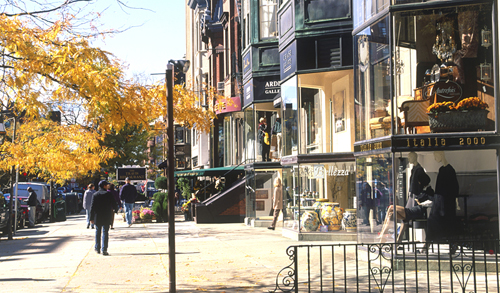
Don’t let the profusion of Prada-clad shoppers fool
you: there’s more to Newbury Street than world-class retail, people
watching, and al fresco dining. One of the first streets created on the
marshland known as Back Bay, Newbury has seen a myriad of tenants and
uses over the past 150 years. Look closely and you’ll glimpse a
historical side to Newbury Street all but unseen by the fashionistas.
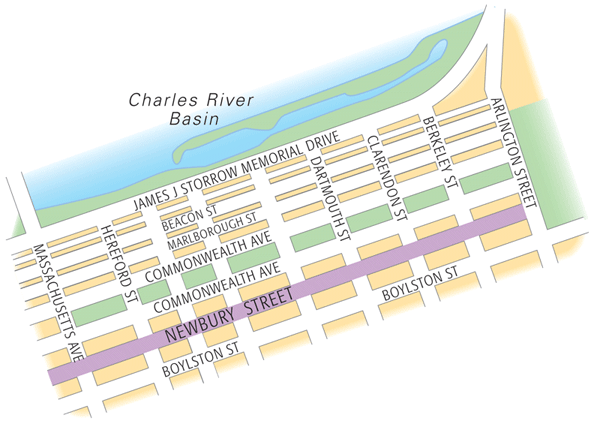
Boston Architectural CenterChurch of the CovenantEmmanuel ChurchFrench Library & Cultural CenterNew England Historical Genealogical Society:Society of Arts & CraftsTrinity Church Rectory233 Clarendon St Closed to the public
|
Since its settlement by
Westerners, Boston has been nipped, tucked, and reshaped to suit the
needs of its inhabitants. Back Bay derives its name from the tidal
swampland on which the neighborhood now stands. During the 19th century,
gravel was used to fill the marsh and create the foundations for the
grand avenues and picturesque brownstones that now distinguish this
highly sought-after area. |

Around Newbury Street

Newbury Street
Stock up at Deluca’s Back Bay Market ( 239 Newbury St ) and have a picnic.
|
|
View the schedule for Emmanuel Music, a highly respected chamber music society, at www.emmanuelmusic.org or call 617 536 3356. |
|
Top 10 Sights
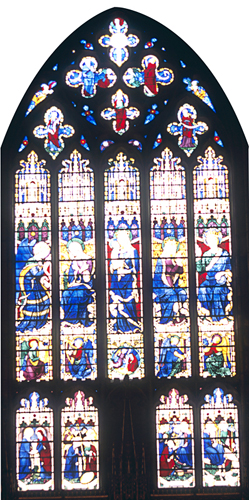
Emmanuel Church
Architect
Alexander Estey’s impressive church (1860) was the first building to
grace Newbury after the in-filling of Back Bay. The adjacent Lindsey
Chapel (1924) is home to the renowned Emmanuel Music.

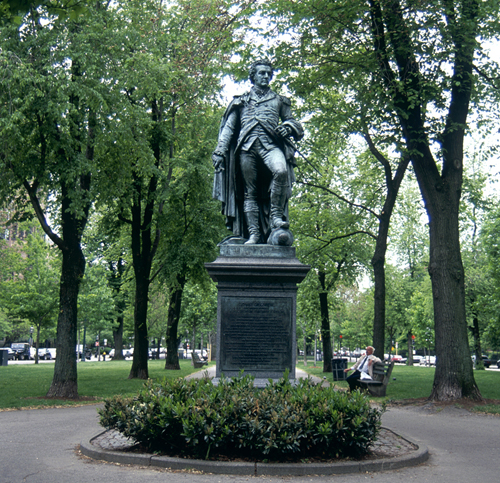
Commonwealth Avenue
A
mall running along the center of Commonwealth Avenue provides a leafy
respite from the Newbury Street throngs. Benches and historical
sculptures line the pedestrian path, where couples and a dog or two
stake out their favorite spots.

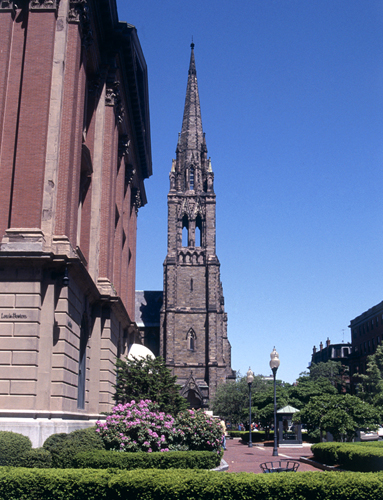
Church of the Covenant
Although
far more famous for his Trinity Church in New York, English-born
architect Richard Upjohn also left his Neo-Gothic mark on Boston with
the Church of the Covenant, erected in 1865.

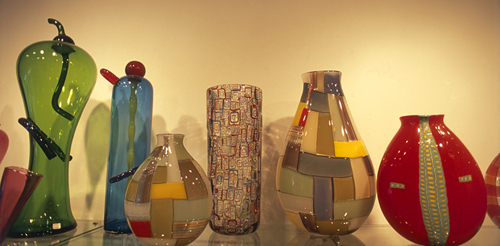
Society of Arts & Crafts
Formed
in 1897, the Boston Society of Arts and Crafts was one of the earliest
of its kind. Societies such as this helped to elevate the status of
traditional arts.

Boston Architectural College
For
more than 100 years, aspiring architects have sought the counsel and
workshops offered by the venerable BAC. The McCormick Gallery displays
architectural plans and designs.
Louis, Boston
Originally
a natural history museum opened in 1864, this landmark building now
offers the haughtiest couture shopping experience in town .
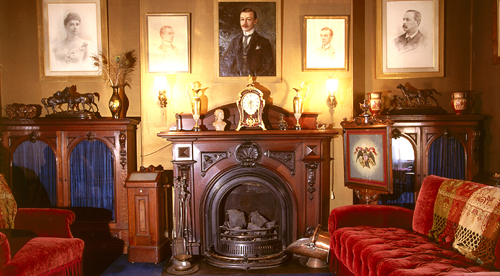
Gibson House Museum
One
of Back Bay’s first private residences, Gibson House was also one of
the most modern houses of its day. Boasting gas lighting, indoor
plumbing, and heating, it spurred a building boom in the area.

French Library & Cultural Center
Housed
in a grand Back Bay mansion, the French Library hosts everything from
lectures in French to concerts and a legendary Bastille Day celebration.
The library’s lobby posts wire-service news reports from France.
New England Historic Genealogical Society
Members
seek to make contact with their New England progenitors in one of the
most extensive genealogical libraries in the US. For a fee, you too, can
try your luck.
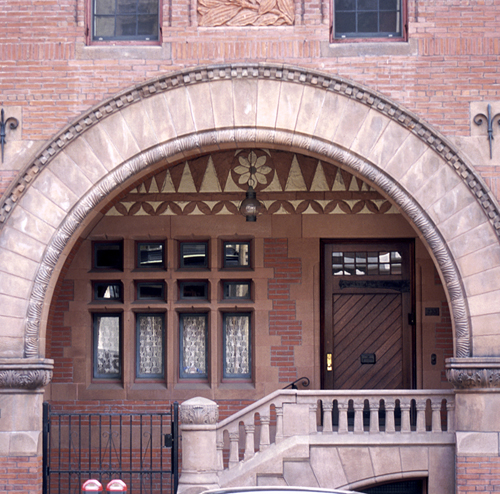
Trinity Church Rectory
H.
H. Richardson, Trinity Church’s principal architect, was commissioned
to build this rectory in 1879. His handiwork reflects the Romanesque
style of his Copley Square masterpiece .