1.1. Stock, broth, and consommé
Stock, broth, consommé—what’s the difference? Stock and
broth are both liquids made by simmering vegetable and/or animal
matter. Traditionally, stocks are made with bones, which have collagen. Most of this
collagen breaks down and converts to gelatin, which gives the stock a lubricious
mouth-feel and, at sufficient concentrations, causes the stock to turn into a gel when
cooled. The cans of “stock” that you find in the grocery store are really broth—they
don’t have the same level of gelatin that a proper stock should have.
Note:
If the canned “stock” carried in grocery stores had gelatin, it would be gelled
like Jell-O.
Stocks
are generally more of an ingredient—not highly seasoned, usually added to a soup or
dish. Broth is a finished product, and strictly speaking broths should be made without
bones; they contain no gelatin and so are comparatively much thinner than stocks. From a
practical perspective, in home cooking you can treat them as the same thing in most
cases. Just don’t try to make a dish such as aspic that relies on gelatin using
broth.
Both stock and broth contain fats and solid particulate matter from the vegetable
and animal products they’re made with, giving them a cloudy appearance. A
consommé is a clarified version of either stock or broth, from
which the particulates and some of the fats have been filtered out. The traditional
method for clarification involves creating an egg-white “raft” that is gently stirred
while the broth is simmered. It’s time-consuming, and while you should try it sometime,
it’s not likely to be an everyday cooking technique. An easy modern method involves
using the gelatin present in a true stock to trap the particulate matter. Freeze the
stock, and as it thaws, the gelatin will hold on to the particulate matter; thaw it in a
filter that’s fine enough to hold onto the gelatin, and the resulting liquid that passes
through the filter will be consommé.
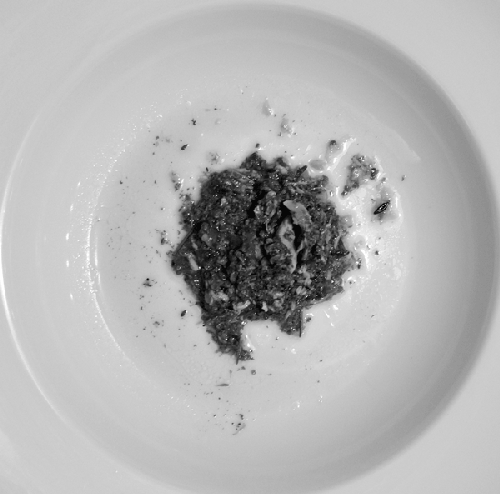
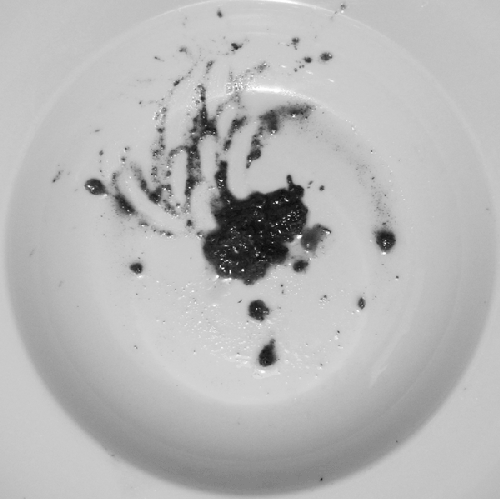
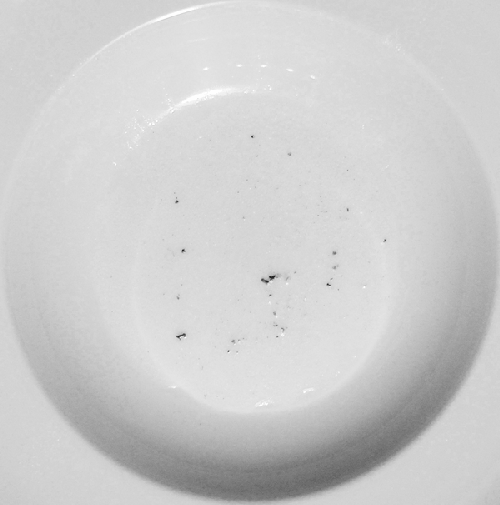
Drip-Filtered Consommé
Consommé
made via drip-thawing stock (left), compared to the original stock (right) filtered
at 100 microns. Note the transparency of the consommé—it looks like filtered apple
juice.

To make a drip-filtered consommé, start with a proper stock. The gelatin is a
necessary component, because it serves the same function as the egg-white raft in the
traditional method.
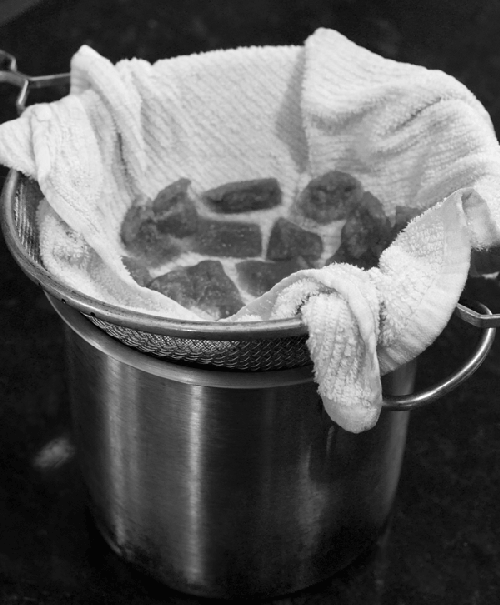
Once the stock has cooled and gelled (leave it overnight), transfer the gelatin to
the freezer and let it freeze solid. As the water in the stock freezes, it will push
the impurities into the gelatin. After it’s frozen, put the stock into a filter bag or
strainer lined with a cotton towel and let it drip-thaw on the counter for an hour, or
in the fridge overnight. The filter or towel will hold on to the gelatin, and the
gelatin will hold on to the smaller particles.
Make sure the container you freeze the stock in is smaller than the filter bag you
use; otherwise, you won’t be able to fit the frozen block into the filter.
Place frozen stock in a strainer lined with a cotton towel. You can
freeze the stock in ice cube trays, as shown here.
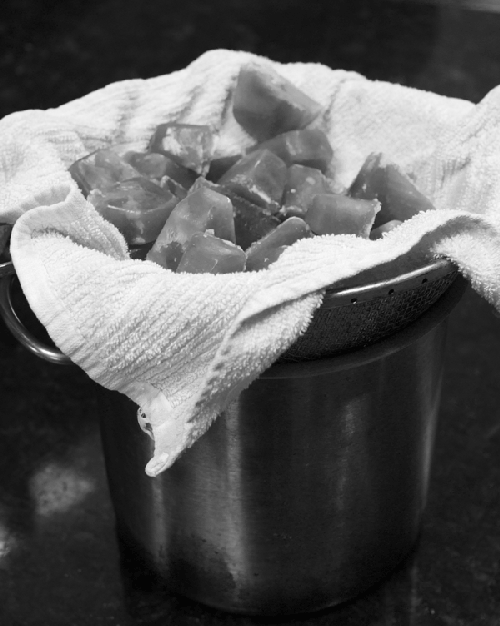
After an hour or two, the stock will have thawed, with the consommé
in the pan and the cotton holding on to these weird blob shapes of
gelatin.