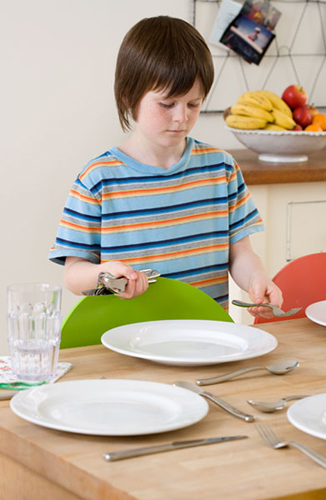
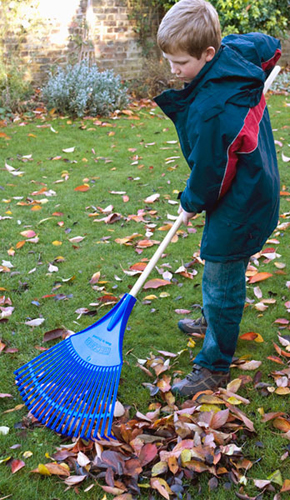
Give a clear reason why chores need to be shared—perhaps explain
that when everyone helps at home then there will be more time to have
fun together. Give a specific example of something you’ll do as a family
if chores are shared, or your children may not be convinced.
Create a list of jobs
that need to be done each day, and encourage your child to say which
ones she’d prefer. She’ll be more likely to do her chores if she has
helped to make the list and chosen her own tasks. When chores are linked
to her personal interests, you’ll get better cooperation too. For
example, if she’s begged for a pet, then her task could involve the
animal’s care. If she takes pride in her personal space, you could
encourage her to choose vacuuming her bedroom as one of her jobs. Your
sports-obsessed child may be willing to sort the laundry into whites and
colors if this helps get her uniform washed first. For you, the
incentive to complete a task may be the satisfaction of a job well done
or seeing tidiness after chaos. However, your child has probably not yet
developed this sense of personal fulfillment, and external rewards are
needed to keep her going. Spend some time with your child making a list
of rewards from which she can choose; but do put limits on cost or time
commitment so you don’t have to say “no” to too many fanciful or
expensive suggestions. Activities and privileges tend to work well—for
example, earning a later bedtime on weekends, an extra family outing, or
her choice of Sunday lunch. A sticker chart showing she’s completed her
chores can be motivating, and small monetary rewards are useful, since
you’ll be able to teach your child about spending and saving as she
earns. However, even the most prized reward loses its appeal after a
while. Changing rewards regularly keeps your child’s motivation up.
Write out a job roster, to show who will do each chore on each day. This
helps your child see that tasks are being allocated fairly, and
everyone is playing his or her part. Rosters act as a reminder of what
is needed, and you can check off each item as it’s completed. The tally
also helps you allocate rewards for jobs done. Your aim is to teach your
child to take a small share in running the household, so identifying
one or two brief daily tasks works well and helps establish a routine.
Choose the tasks you give your child with care, since her concentration
and ability to recognize and manage risks are not fully developed yet. |