1.5. Spoons & co.
Few things symbolize cooking more than a spoon, and for good reason: stirring,
tasting, adjusting the seasoning, stirring some more, and tasting again would be
virtually impossible without a good spoon! I prefer the wooden variety. In an age of
technology and modern plastics, there’s just something comforting about a wooden spoon.
Look for one that has a straight end, as opposed to a traditional spoon shape, because
the straight edge is useful for scraping the inside corners and bottom of a pan to
release fond. When it comes to cleaning them, I run mine through the dishwasher. True,
it’s bad for the wood, but I find it easier and don’t mind buying a new one every few
years.
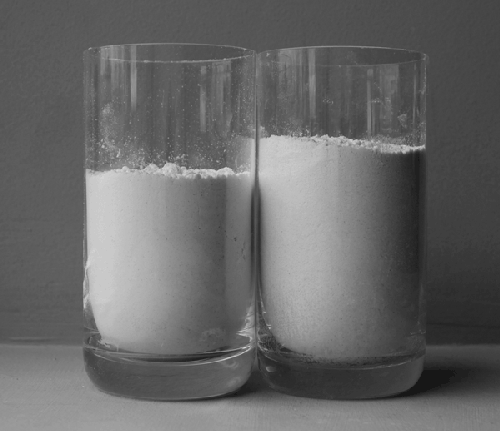
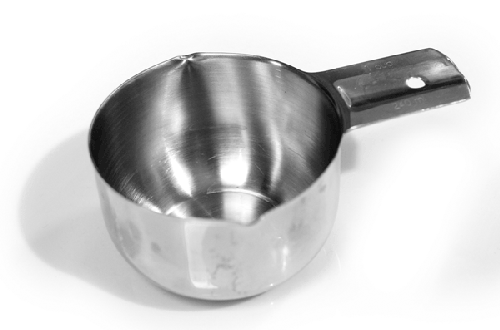
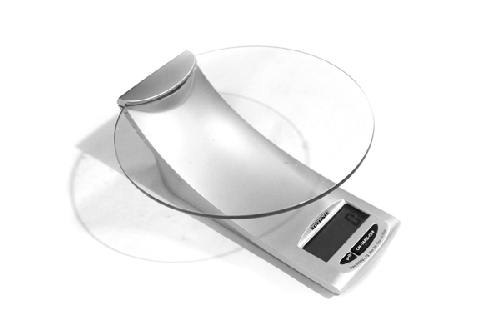
Weight Versus Volume: The Case for WeightHow much of a difference does it
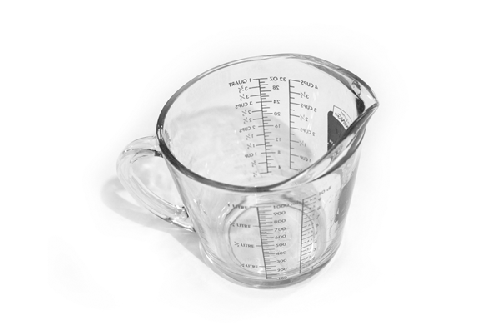
Even if you could perfectly measure the same weight with every cup, you still The upshot? You’ll get better results by weighing ingredients, especially when But what about wet measurements—measurements of things that don’t compress? While
|

Besides the ubiquitous
wooden spoon, here are a few related tools that you should keep “near to hand” while
cooking.
Silicone stirring spatulas. This type of spatula,
in addition to making perfect scrambled eggs, is handy for folding egg whites into
batters, scraping down the edges of bowls, and reaching into the corners of pots needing
stirring. Silicone is also heat-stable up to 500°F / 260°C.
Whisks. If you’re going to bake much, a whisk is
essential. Go for a standard balloon whisk, not one of those funky attempts at wires
with balls on the end or crazy little loopy things. Besides coming in handy when you
want to whisk eggs and dressings, you should always whisk together the
dry ingredients for baked goods to ensure that things like salt
and baking powder are thoroughly blended with the flour.
Kitchen shears. Essentially heavy-duty scissors,
kitchen shears are useful for cutting through bones and are a great alternative to a
knife for cutting leafy greens, both small (chives) and large (Swiss chard). If you’re
serving soup into bowls and want to garnish with chives, instead of using a knife and
cutting board, you can hold the chives directly above the bowl and use the shears to
snip them directly into the bowl: faster, and fewer dishes, too!
Tongs. Think of tongs as heatproof extensions of
your fingers. They’re useful not just for flipping French toast in a frying pan or
chicken on the grill, but also for picking up ramekins in the oven or grabbing a cookie
tray when you’re out of towels. Look for spring-loaded tongs that have silicone or
heatproof tips, because these can be used with nonstick coated pans. Scalloped edges are
also useful, because they tend to grip things better than their straight
counterparts.
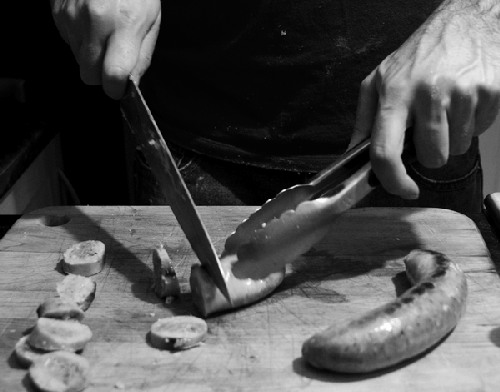
In addition to flipping items in pans or grabbing hot ramekins from an
oven, tongs can be useful for holding on to hot foods such as just-cooked sausage
while slicing them.