Here there is a rich mix of
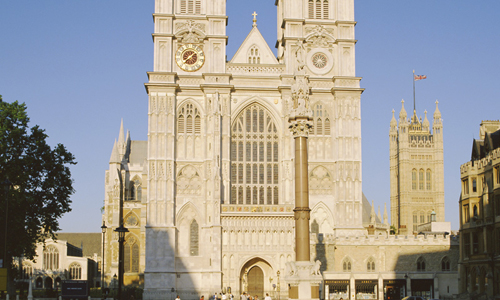
things to do. Sights range from Westminster Abbey and the Houses of
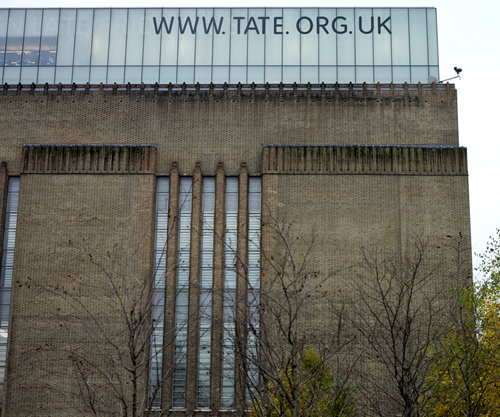
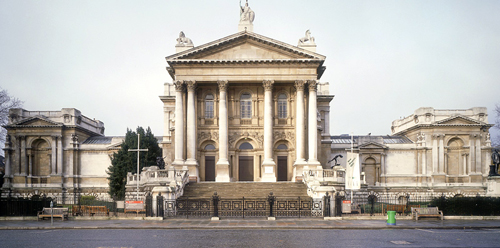
Parliament to the Tate’s stunning art institutions, the Southbank Centre
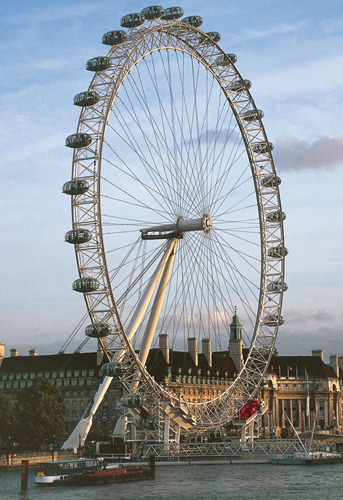
and Shakespeare’s Globe. In between there’s the spectacular London Eye
and other entertainments around County Hall, former headquarters of the
Greater London Council. Two new footbridges have opened – one at
Hungerford Bridge, the other at Tate Modern – helping to bring the two
sides of the river together.
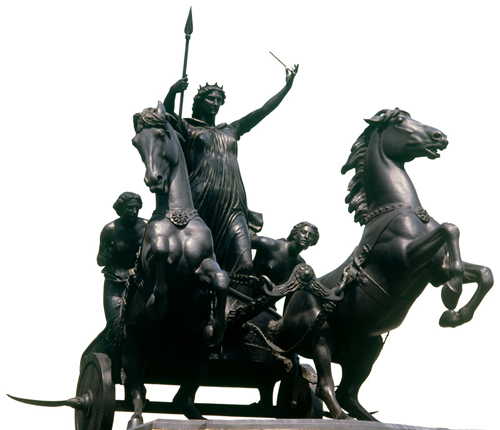
Statue of Queen Boadicea, near Westminster station
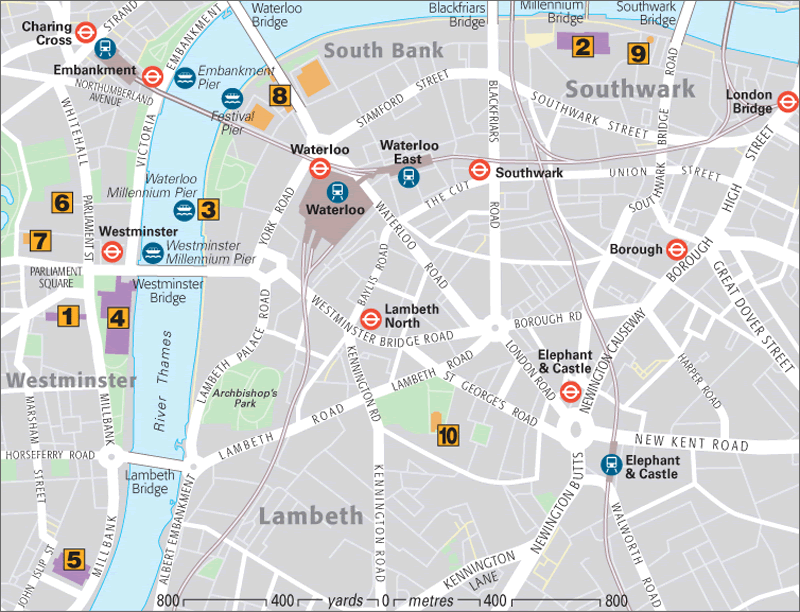
Sights
London Eye
The second highest observational wheel in the world (after the
Singapore Flyer) offers amazing views of the city. While waiting for a
flight, visit the attractions in County Hall – the London Aquarium,
Namco Station and the Dalí museum .

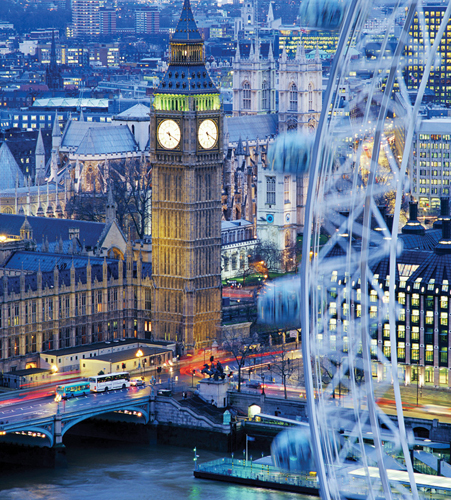
View from London Eye towards Big Ben and Westminster Abbey

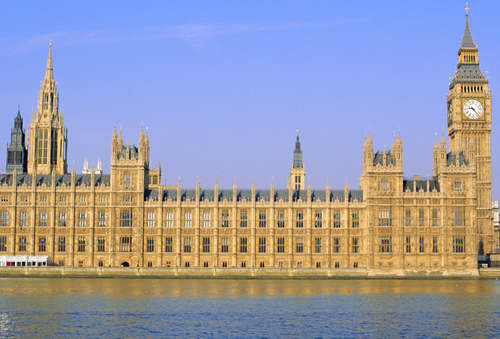
Houses of Parliament
The
ancient Palace of Westminster is the seat of the two Houses of
Parliament – the Lords and the Commons. A Union flag flies on the
Victoria Tower when the Commons is in session. Night sittings are
indicated by a light on the Clock Tower – the tower that houses Big Ben,
the 14-ton bell whose hourly chimes are recognized around the world.

Houses of Parliament
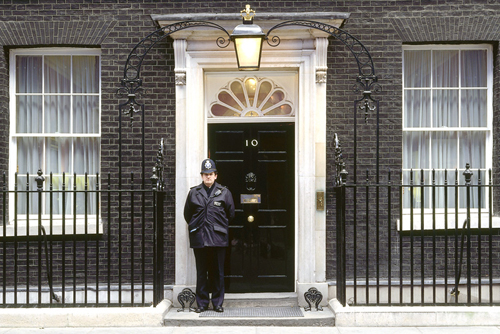
Downing Street
The
official home and office of Britain’s Prime Minister is one of four
surviving houses built in 1680 for Sir George Downing (1623–84) who went
to America as a boy and returned to fight for the Parliamentarians in
the English Civil War. The building contains a State Dining Room and the
Cabinet Room, where a group of 20 senior government ministers meets
regularly to formulate policy. Next door, No. 11, is the traditional
residence of the Chancellor of the Exchequer. Downing Street has been
closed to the public for security reasons since 1989.Downing Street SW1
Closed to public

No. 10 Downing Street
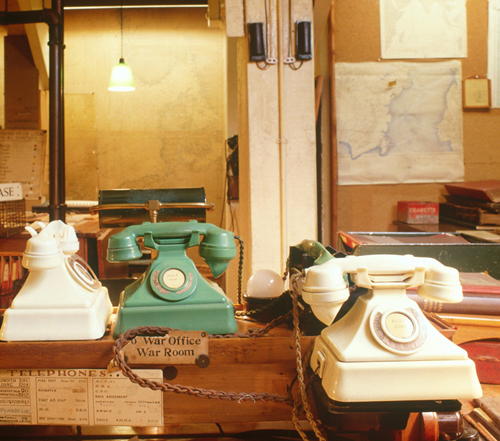
Cabinet War Rooms and Churchill Museum
During
the dark days of World War II, Winston Churchill and his War Cabinet
met in these War Rooms beneath the Government Treasury Chambers. They
remain just as they were left in 1945, with sandbags outside and
colour-coded phones. Take a guided audio tour through the rooms where
ministers plotted the course of the war, or visit the Churchill Museum
which records Churchill’s life and career.

Cabinet War Rooms
Southbank Centre
The
most accessible arts centre in London still has the air of friendly,
egalitarian optimism that brought it into life in the 1950s and 60s. The
Royal Festival Hall’s three concert halls have diverse programmes,
while the Hayward Gallery is a major venue for art exhibitions. The BFI
Southbank, run by the British Film Institute, has a varied programme of
movies. The National Theatre’s three theatres (Olivier, Cottesloe and Lyttelton) are to the east along the river .
Southbank Centre SE1
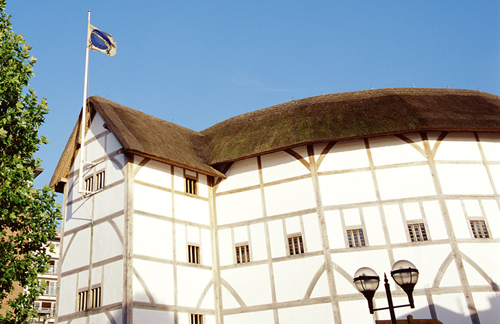
Shakespeare’s Globe
To
see a Shakespeare play at the reconstructed Globe is a magical
experience. Seated in three tiers, open to the skies, the audience
heckles and shouts as they did in Shakespeare’s day. Except when a
matinee is playing, visitors to the exhibition next door are given
guided tours of the theatre by staff .New Globe Walk, Bankside SE1
Bookings (plays from May–Sep only)
020 7401 9919
Exhibition/theatre tour: May–Sep: 9am–5pm daily; Oct–Apr: 10am–5pm daily
Admission charge

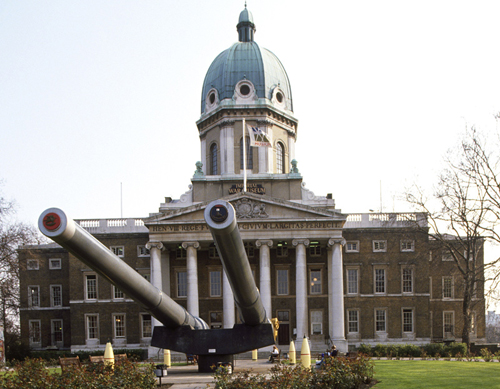
Imperial War Museum
It
is well worth the effort to visit this museum, which documents the
social effects of war as much as the technology involved in fighting it,
with displays on food rationing, censorship, air-raid precautions and
morale-boosting strategies. Concerned mainly with conflicts in the 20th
century to the present, it has changing exhibitions and an excellent
shop that will appeal to those with a nostalgia for wartime London .Lambeth Road SE1
Open 10am–6pm daily

Exhibits in the Imperial War Museum