London’s great riverside fortress is usually
remembered as a place of imprisonment, but it also has a more glorious
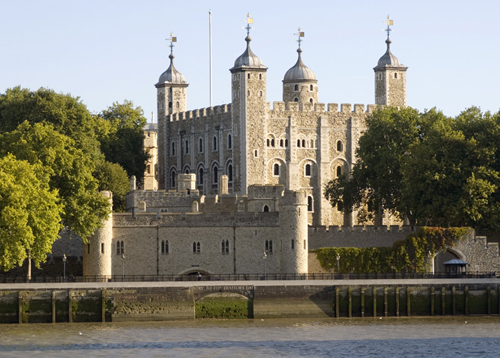
past. Originally a moated fort, the White Tower was built for William I
(the Conqueror) and begun around 1078. Enlarged by later monarchs –
including Henry VIII, who famously sent two of his wives to their deaths
on Tower Green – it became home to the city arsenal, the Crown Jewels, a
menagerie and the Royal Mint.
Tower Hill EC3
0844 482 7799
Open 9am–5pm Tue–Sat, 10am–5pm Sun & Mon
Admission: adults £16.50; children 5–15 £9.50 (under 5s free); family tickets (5 people) £46; concessions £13.50
|
William I’s White
Tower, built by Gundolph, Bishop of Rochester, was intended to defend
London against attacks – and to be a visible sign to the native
Anglo-Saxon population of the conquering Normans’ power. Henry III
(r.1216–72) built the inner wall with its 13 towers and brought the
Crown Jewels here. The city arsenal was kept here, and under Henry VIII
(r.1509–47) the Royal Armouries were improved. James I (r.1603–25) was
the last monarch to stay in residence. All coinage in Great Britain was
minted in the Outer Ward of the Tower until 1810 when the Royal Mint was
established nearby, on Tower Hill. |

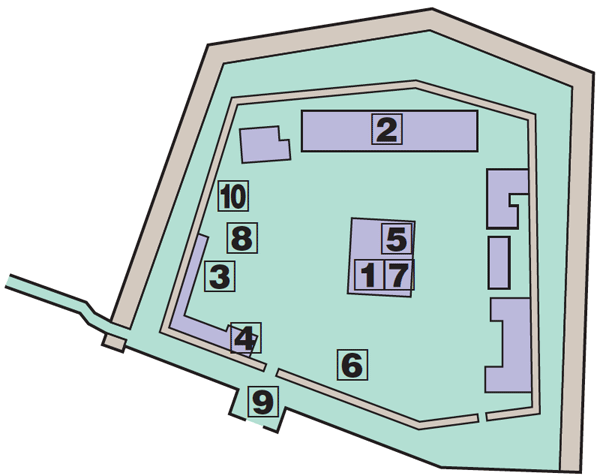
Plan of the Tower
Enjoy a meal at the Tower’s café or restaurant. |
|
Allow at least two hours for your visit. |
|
Top 10 Features
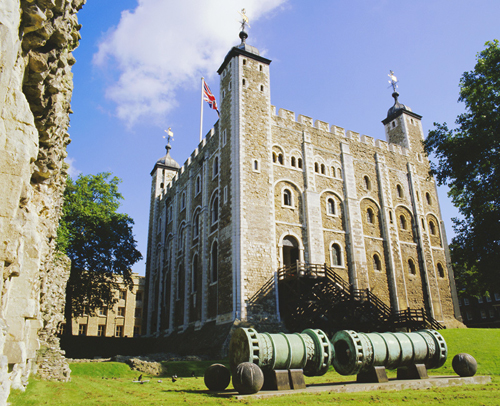
The White Tower
The
heart of the fortress is a sturdy keep, 30 m (90 ft) tall with walls 5 m
(15 ft) thick. It was constructed under William I, and completed in
1097. In 1240 it was whitewashed inside and out, hence its name.


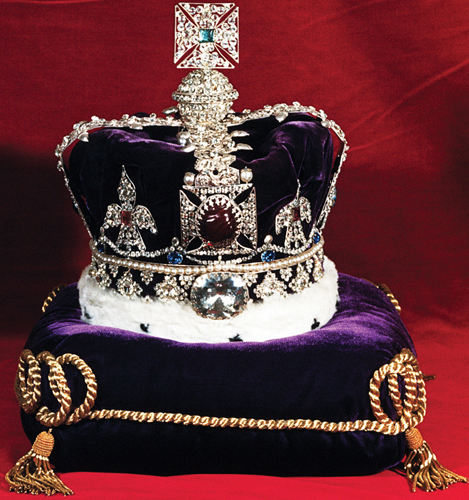
Imperial State Crown
This
is the most dazzling of a dozen crowns in the Jewel House. It has 2,800
diamonds, and the sapphire at its top is from the reign of Edward the
Confessor (r.1042–66). The crown was made for the coronation of George
VI in 1937.

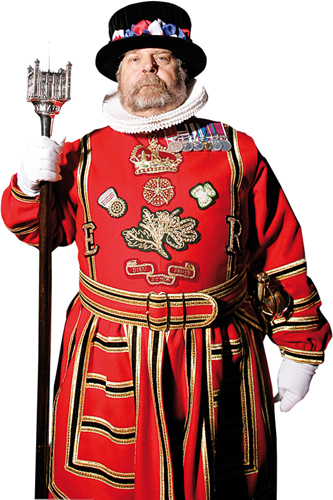
Yeoman Warders
Some
35 Yeoman Warders now include a female Warder. Former non-commissioned
military officers with Long Service and Good Conduct Medals, they wear
uniforms dating from Tudor times.

The Bloody Tower
The
displays here explore the dark history of the Bloody Tower where
murderous deeds, including the killing of the Little Princes, took
place.
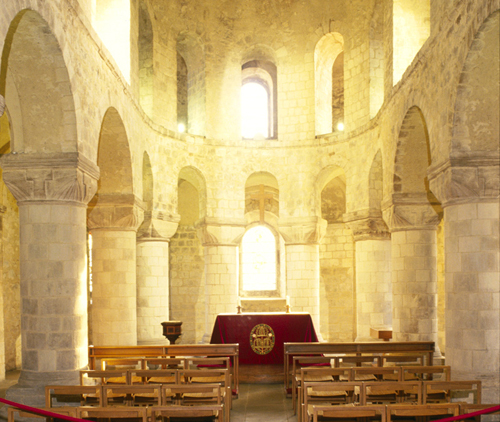
Chapel of St John the Evangelist
The
finest Norman place of worship in London, which remains much as it was
when it was built, is on the upper floor of the White Tower. In 1399, in
preparation for Henry IV’s coronation procession, 40 noble knights held
vigil here. They then took a purifying bath in an adjoining room and
Henry made them the first Knights of the Order of the Bath.

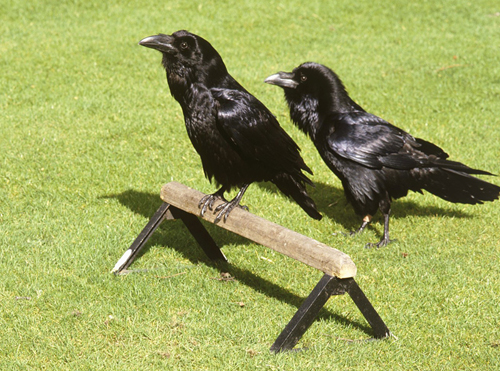
Ravens
When
ravens leave the Tower, the saying goes, the building and the monarchy
will fall. There are at least six ravens in residence, looked after by
the Ravenmaster.

The Royal Armouries
This
national collection of arms and armour, shared with the Royal
Armouries’ other museums in Leeds and Portsmouth, was greatly expanded
under Henry VIII.
Tower Green
The
place of execution for nobility, including Lady Jane Grey (1554) and
two of Henry VIII’s wives – Katherine Howard (1542) and Anne Boleyn
(1536).

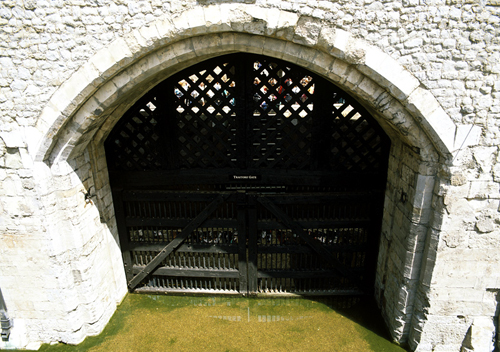
Traitors’ Gate
The oak and iron watergate in the outer wall was used to bring many prisoners to the Tower, and became known as Traitors’ Gate.

Beauchamp Tower
The
new displays in this tower explore the different experiences of real
prisoners of the Tower, including Lady Jane Grey and the Kray twins. The
tower takes its name from Thomas Beauchamp, Earl of Warwick, who was
imprisoned here between 1397–99 by Richard II.