The
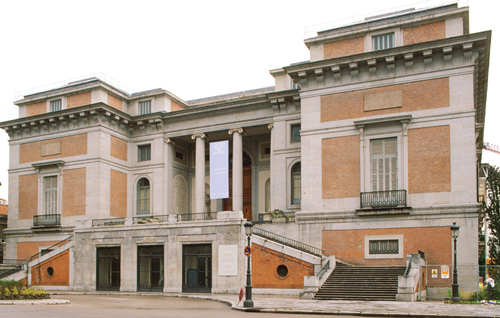
world famous gallery is housed in Juan de Villanueva’s Neo-Classical
masterpiece – an artistic monument in its own right. The relief over the
Velázquez Portal depicts Fernando VII as guardian of the arts and
sciences – it was during his reign that the Prado opened as an art
gallery. Its strongest collection, unsurprisingly, is its Spanish
artworks, particularly those of Francisco de Goya .

Museo del Prado
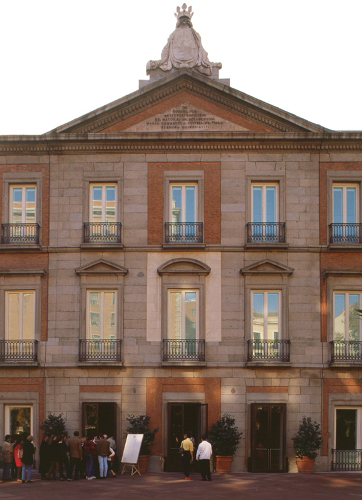
Museo Thyssen Bornemisza
The
setting for this outstanding collection is the Palacio de Villahermosa,
remodelled in the 1990s. Carmen Thyssen Bornemisza, widow of the
preceding baron, was responsible for the salmon pink colour scheme
inside. The museum covers international art from the 14th century
onwards .

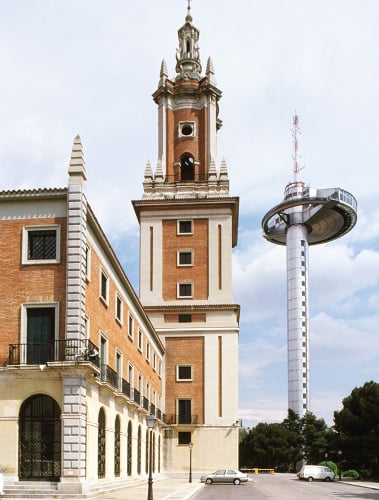
Museo de América
While
the fabled treasures shipped back to Spain by Cortés, Columbus and
Pizarro were exhibited as early as 1519, most of the items disappeared
or were melted down. These fascinating ethnological and ethnographical
exhibits originate from Carlos III’s “cabinet of natural history”,
founded in the 18th century, and now embrace the entire American
continent .

Museo Cerralbo
This
astonishingly diverse collection – paintings, sculptures, tapestries,
glassware, porcelain and more were originally the property of the 17th
Marquis of Cerralbo. The museum’s 30,000 artifacts are housed in his
palace and the rooms offer a fascinating window onto the life of Spanish
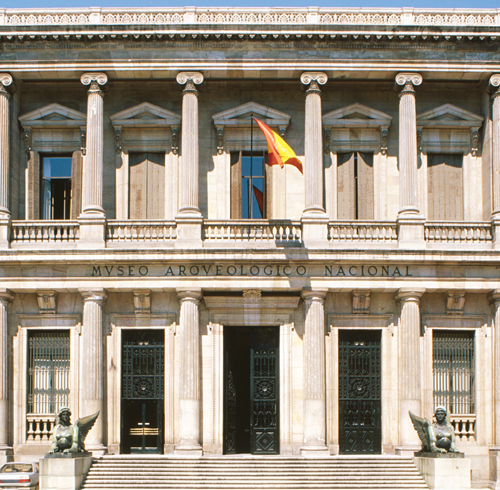
aristocracy at the beginning of the 20th century .Museo Arqueológico Nacional
Founded
by Queen Isabel II in 1867, the archaeological museum contains
treasures from most of the world’s ancient civilizations with an
emphasis on the Iberian Peninsula. Highlights include the carved
sculpture, the “Lady of Elche”, a noblewoman from the 4th century BC .

Museo Arqueológico Nacional
Real Academia de Bellas Artes de San Fernando
The
Academy of Fine Arts was founded by Fernando VI in 1752 and moved into
the Goyeneche Palace 25 years later. Among the highlights are works by
Spanish artists El Greco, Velázquez, Murillo, Zurbarán and Goya, as well
as an array of European masterpieces .Casa Museo de Lope de Vega
Spain’s greatest playwright lived in this house between 1610 and 1635. Now an evocative museum, the
rooms are furnished in the style of the period, based on an inventory
made by the dramatist himself .