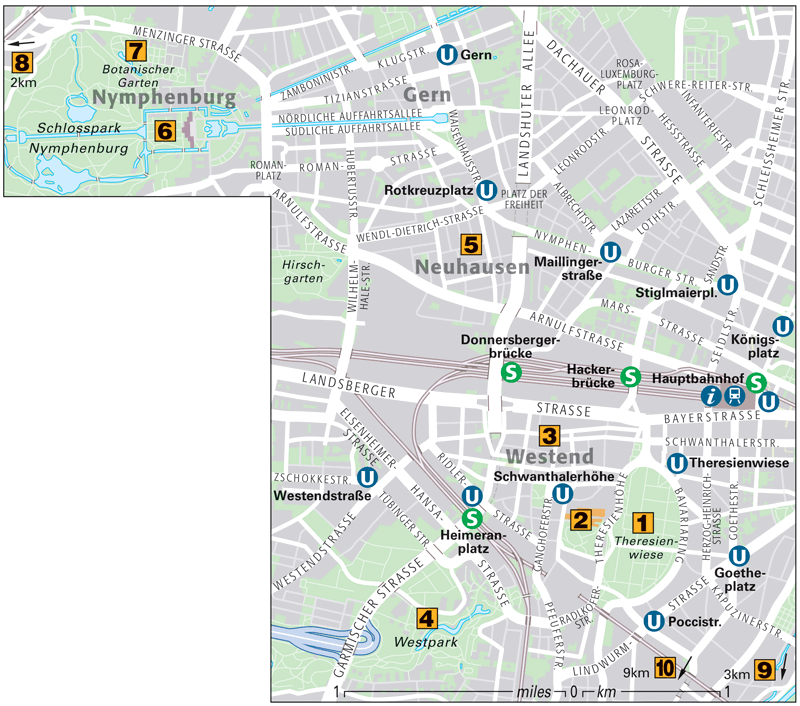
South and west of the centre,
Munich has a suburban and exclusive residential character, with the
exception of the Westend and Neuhausen districts. The latter, which lies
to the north, includes Rotkreuzplatz – a square surrounded by beautiful
tree-lined streets and bordered by late-19th-century buildings. In
recent years, a vibrant bar and restaurant scene has evolved here.
Multicultural Westend is far more colourful, and some sections,
especially near the Alte Messe, are becoming trendy. Affluent
residential areas lie in the south, in Harlaching and above all in
Grünwald, where tram No. 25 offers a scenic ride through forests studded
with impressive villas. Munich’s Isar has been reclaimed in the south
and once again follows its natural, meandering route. Beautiful paths
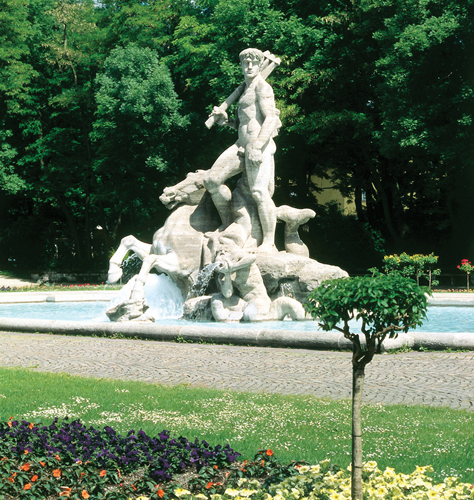
beckon walkers alongside the river. You will find Munich’s Isar beach,
Flaucher, next to the popular Flaucher beer garden, and Tierpark
Hellabrunn, the city’s superb zoo.
|
|
|
Sights
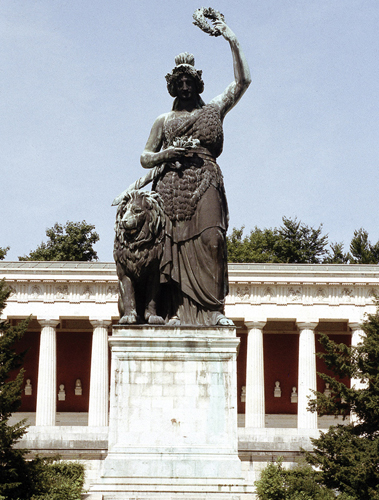
Bavaria
Munich’s
tallest “female,” Bavaria stands 18.5 m (59 ft) high. She holds an oak
wreath in her hand, while a lion, Bavaria’s heraldic beast, lies at her
feet. Designed by Ludwig Schwanthaler and cast by Ferdinand von Miller,
the statue (1840–50) was a masterpiece of technological achievement at
the time, incorporating an observation platform in the head Klenze’s Ruhmeshalle, with busts honouring famous Bavarians, stands behind the colossal statue.

Ruhmeshalle with Statue of Bavaria, Theresienwiese, in the foreground
Alte Messe & Verkehrszentrum
Since
the trade fair moved to Riem, the site of the Alte Messe (old fair) on
Schwanthalerhöhe has been imaginatively develop ed. Elegant residences
have been built on the former fairgrounds, and many of the former
exhibition halls have been converted to cultural uses. The
Verkehrszentrum, Deutsches Museum’s excellent branch museum of
transport, is housed here in three halls .Westend
The
many Turkish, Greek, and other ethnic stores and bars contribute
greatly to the appeal of this area, which – at 40 per cent – has the
largest foreign population in the city, fertile ground for the vibrant
arts scene emerging here. More and more galleries and advertising
agencies are setting up shop here every year.Westpark
A
smaller, west-end version of the Englischer Garten, Westpark was
created for the fourth International Garden Show in 1983 and offers
landscaped lawns and gardens, as well as picnic and barbecue facilities.
Especially pretty is the Asian section with its Japanese garden, Thai
pagoda, and other highlights .Neuhausen
Rotkreuzplatz
is the centre of this, Munich’s second-largest urban district.
Countless bars and restaurants line the streets surrounding the square.
The many old but well-preserved low-rise apartment buildings found here
make this a popular residential area. The adjacent Nymphenburg is more
exclusive, with its large single-family homes and villas. Expansive
green zones – the Botanical Gardens, Nymphenburg Park, and the
Hirschgarten, which has the city’s largest beer garden – enhance the
quality of life in this district.Schloss Nymphenburg & Schlosspark
When
Adelaide of Savoy gave birth to the heir to the throne, Max Emanuel, in
1663, her husband, Elector Ferdinand, celebrated the event both by
donating funds to build the Theatinerkirche
but also by presenting his wife with their future summer residence at
Schloss Nymphenburg. Built by the architect Barelli from 1664 onward,
the Schloss ensemble underwent many expansions – in the end, the main
building achieved an impressive length of 650 m (2,150 ft). The park,
originally a small decorative garden, evolved into a large landscaped
park, interspersed with several pavilions: Badenburg, Pagodenburg,
Amalienburg, and Magdalenenklause. For a special coffee break, visit the
Schlosscafé in the exotic Palmenhaus .

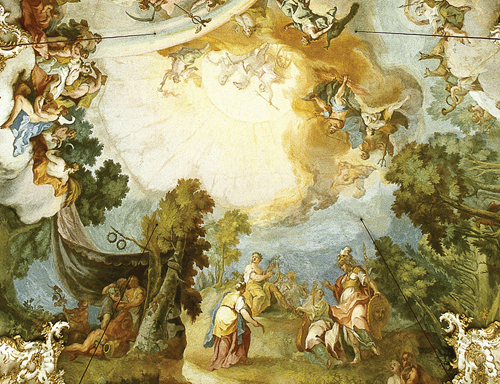
Ceiling fresco, Schloss Nymphenburg

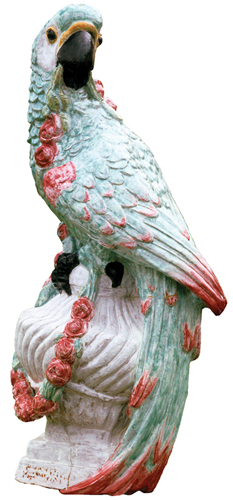
Porcelain parrot, Nymphenburg

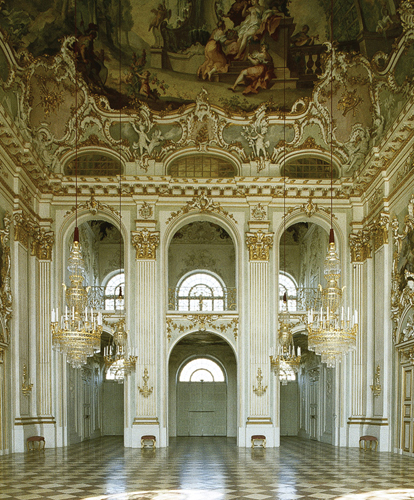
Interior, Schloss Nymphenburg
Botanischer Garten
The
Botanischer Garten (Botanical Gardens) were laid out beside Nymphenburg
Park at the start of the 20th century. Over 14,000 plant species are
cultivated here. Highlights include the Alpinum, an Alpine rock garden,
the Arboretum, a spectacular display of rhododendron blossoms, the fern
glen, and the greenhouses.

Schloss Blutenburg
A
path with lovely views leads from Nymphenburg Park to Schloss
Blutenburg. Situated amid meadows and fields, this former royal hunting
lodge, built between 1435 and 1439 on an island in the Würm River by
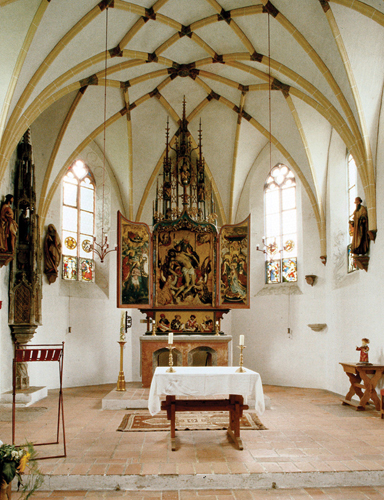
Duke Albrecht III, is rural in character. A late Gothic chapel was added
in 1488. Today, Blutenburg houses the Internationale Jugendbibliothek.
The castle café is perfect for a coffee break.

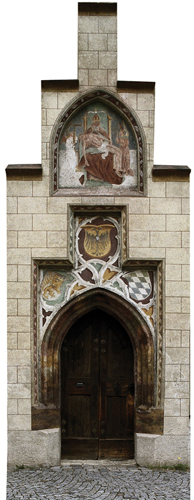
Chapel, Schloss Blutenburg

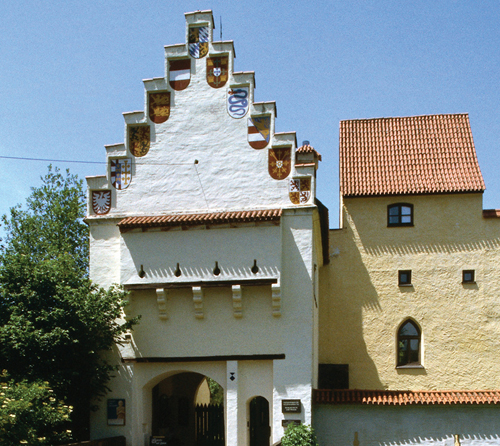
Chapel, Blutenburg
Tierpark Hellabrunn
When
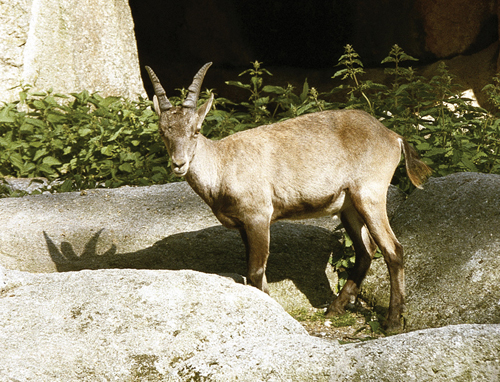
Munich’s Tierpark was founded in 1911, it was the first zoo in the
world that arranged animal enclosures and pavilions according to
continents and geographic origins. Highlights include a large aviary, a
jungle tent with lions and tigers, and a new tropical forest and
aquarium pavilion, where monkeys, snakes, and fish inhabit a jungle and
coral-reef habitat.Tierparkstr. 30
Adm

Tierpark Hellabrunn