Benefits of breast-feeding Giving your baby the healthiest start in life
There are
several unique advantages to breast-feeding, the main one being that
breast milk arrives on demand as the perfect food for your baby. Other
benefits of breast milk include the following:
Breast milk protects babies from infection.
It reduces the risk of some diseases.
Breast-feeding is thought to increase a child’s IQ later in life.
It
can reduce the risk of allergies. It has also been reported that babies
who are formula-fed are more likely to have breathing problems such as
asthma, and gastric problems such as colic. Constipation is also more
common among formula-fed babies, and hence there are more hospital
admissions from bottle-fed babies.There are greater benefits for the mother if she breast-feeds, such as increased weight loss.
Thinking ahead Being practically and emotionally prepared
It’s wise to think about how to prepare for breast-feeding before the birth.
Address your
feelings about breast-feeding and those of your partner and family, and
deal with negative stories. This is because some of the problems
associated with breast-feeding include embarrassment and a lack of
confidence in your ability to produce enough milk.Purchase
nursing bras and try to attend your childbirth classes, where
breast-feeding will be discussed.
Breast-feeding after a cesarean
Breast-feeding after a
cesarean section can be more challenging than following a vaginal birth
since your baby may be sleepy from the effects of the drugs and you will
be feeling uncomfortable from the surgery. If your baby is asleep most
of the time, encourage her to wake for a feeding every couple of hours.
Finding a comfortable position to feed her is important for the letdown
reflex. You may find lying on your side facing your baby easier and this
is a recommended position after a cesarean. In the days following the
surgery, when you are more mobile, you can try feeding sitting up with
your baby lying on a pillow to alleviate pressure on your wound.
Football Hold:
Holding your baby so that
she is lying alongside you, tucked under your arm with your hand
supporting her head, can be a comfortable position after a cesarean
since there is no pressure on your abdomen.

Troubleshooting How to alleviate discomfort and pain
Sore,
cracked nipples are a common complaint among breast-feeding women and a
source of great distress, often leading women to abandon breast-feeding
entirely. Knowing what steps you can take to prevent this happening, or
how to alleviate any discomfort, will help to make breast-feeding a more
relaxing experience.
Make sure your baby latches on properly and is removed from the breast gently (see Latching on). If your breasts are engorged, expressing some milk first helps your baby latch on more easily.
Keep your nipples dry between feedings. Let the air get to your nipples and use breast pads to soak up leaks.
Relieve
sore nipples with a chilled cabbage leaf. You can use a nipple cream if
necessary, although most midwives suggest avoiding these if possible.
Avoiding mastitis An infection of the milk and surrounding tissue
Mastitis is a
painful infection of breast tissue that occurs when the breasts are
engorged (hard and swollen) and a milk duct is blocked. Dealing with
engorgement often helps prevent mastitis.
Don’t stop breast-feeding since you need to release your milk.
Express
little and often to relieve some pressure (which also makes it easier
for your baby to latch on), and feed little and often to empty your
breasts.Begin each feeding from the sore side; your baby’s sucking is strongest at the start.
NOTE
For many, breast-feeding is an extension of pregnancy and birth. The benefits you give your baby are beyond measure
Getting started Establishing breast-feeding
Each mother
has a different experience when starting to breast-feed. Both you and
your baby will be learning and practicing together, which can seem quite
strange for something that is supposed to be so natural. Some babies
will simply attach themselves onto the nipple (“latch on”) right away,
while others will take longer and may need help from a lactation
consultant. Sometimes, the type of labor and birth that you experienced
can affect how quickly you establish breast-feeding.
| Q: | How should I position myself for feeding? |
| A: | For subsequent feedings, it is worth taking the time to check that you are in a comfortable position. It might help if someone holds your baby while you make yourself comfortable—perhaps with cushions behind your back, or a cushion to support your baby. |
| Q: | How should I position my baby? |
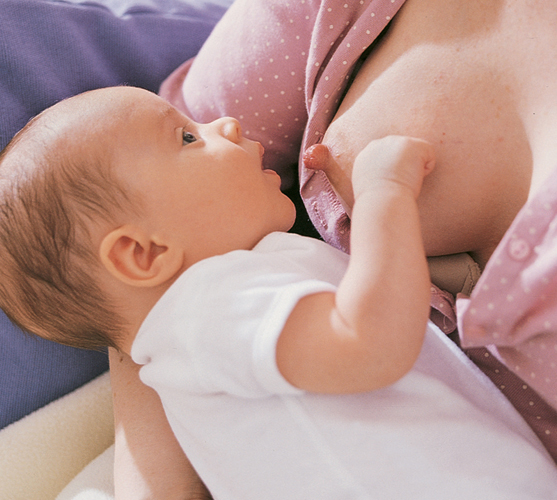
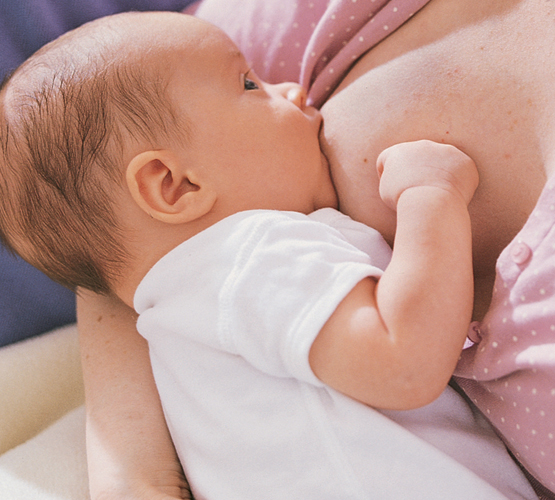
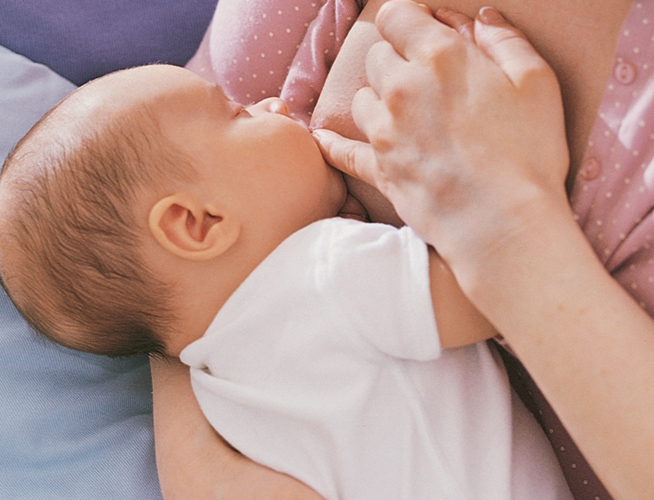
| A: | The key to successful breast-feeding is ensuring that your baby is in the right position and has a good “latch.” Move your baby so that her nose is opposite your nipple and “tummy to mommy” (your baby’s tummy is lying across your tummy) in a straight line and held close to you (see Comfortable feeding positions). Wait until she opens her mouth really wide (this ensures her tongue is in the right position) and then move her mouth onto the breast. |
| Q: | How do I take my baby off the breast? |
| A: | Do this by sliding your finger gently inside your baby’s mouth—this will break the seal it forms around your breast. |