Shopping Tips
|
Department Stores
Although
suburban shopping malls have the bulk of nationally recognized chain
department stores, downtown shopping opportunities serve the needs of
Seattle’s residents in a variety of ways. Find most of the larger
stores, such as Nordstrom’s flagship store and Bon-Macy, centered in the
Westlake Plaza area between 4th and 5th Avenues and Pike and Stewart
Streets .Boutiques
Discover
one-of-a-kind designer wear at dozens of independent clothiers that
specialize in high-end fashion or more adventurous apparel with an edge.
Several designers such as Carol McClellan, Darbury Stenderu, and
Couture have their own shops in Belltown and Fremont, and many upscale boutiques dot the 5th Avenue area south of Pike Street.Malls
As
with most United States cities, large malls need the expansive and
cheaper real estate found only in suburbs or outlying areas. However,
there are smaller, somewhat pricey urban malls including Westlake Mall,
Pacific Place, and Rainier Square. They also include familiar chain stores as well as locally owned ventures.Flea Markets & Thrift Shops
If
you like secondhand merchandise, you’ll find bargains all over town.
Many neighborhoods, including Ballard and Fremont, have outdoor farmer’s
markets on Sundays. There are also plenty of thrift shops; the best of
these are Salvation Army, Value Village, and Seattle Goodwill, located
on Capitol Hill and the ID.Salvation Army
1010 4th Ave S
Value Village
1525 11th Ave
Seattle Goodwill
Convenience Stores
It’s
relatively common to find a convenience store in commercial areas, even
in exclusive neighborhoods. They sell a little bit of everything from
fresh produce to deli items, snack food and drink, toiletries, and
general supply merchandise. Remember you would pay considerably more
than in supermarkets or drugstores.
Eating & Accommodation Tips
|
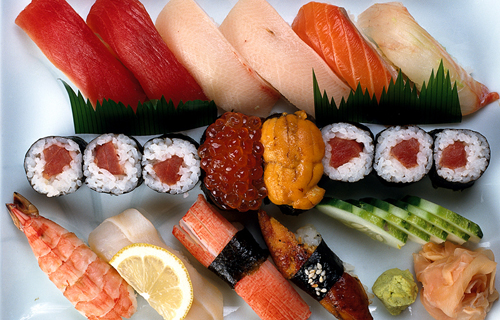
Pacific Rim Cuisine
In
Seattle, this cuisine refers to fresh Pacific Northwest ingredients
combined with the flavors and cooking techniques of countries bordering
the Pacific Ocean. Chefs create masterpieces and signature dishes using
sushi-grade fish, Kobe beef, ginger and soy-based sauces, and handmade
noodles to complement US menu mainstays.

Sushi
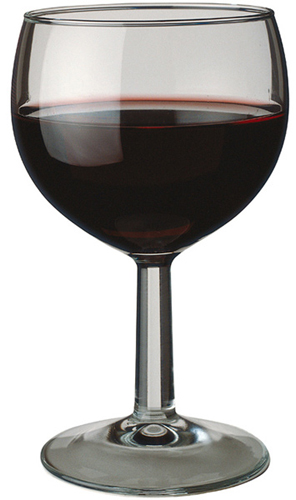
Drinks
Washington has its share of award-winning vineyards. Better restaurants employ sommeliers
to assist you in choosing wines to complement your meal, and they can
also steer you toward a selection based on price. If beer or ale suits
your taste, Washington has many microbreweries emulating the heavier
British styles of ales and stouts, as well as crisp German lagers and
Belgian Abbey ales.

Red wine
Hotel Gradings
All
major hotels are subject to a widely accepted star-based system that
gauges the overall merits, level of service, and amenities advertised by
the property. Four-star hotels are the most luxurious and expensive. If
you have any doubts, simply ask the reservation agent if the hotel has a
rating. However, hotels rarely mention status unless they have a high
score.Occasionally,
travel packages at downtown hotels include overnight parking with the
room, but most charge exorbitant rates for the service. You are charged
for making phones calls even when dialing a toll-free number. If the
room includes a stocked refrigerator, anything consumed will add to the
bill. Also remember to tip the housekeeper and other service providers
at the hotel.Traveling with Kids
Many
hotels don’t charge extra for kids 12 and under staying in their
parents’ room. Some have the same service for children 18 and under.
Others may provide roll-away beds or cribs for a price. Search the
neighborhood around Seattle Center for the most family-friendly hotels
or motels. Parking lots nearby are often cheaper than the hotel’s
garage.