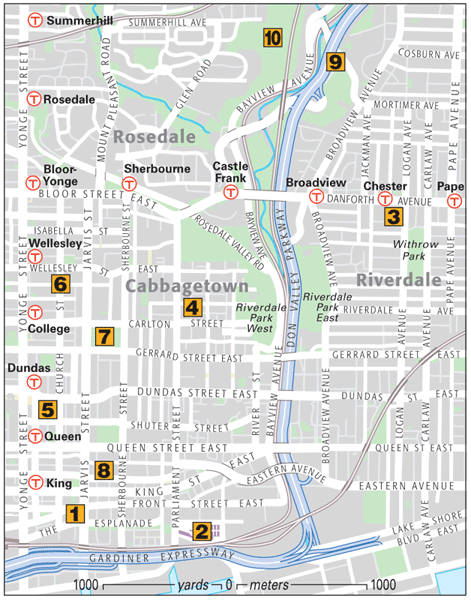
The eastern part of Toronto
is a region of contrasts. Some of the city’s grandest old mansions
remain along the stately streets of Jarvis and Sherbourne, though many
of these homes were abandoned for years and have only in the past few
decades undergone renovation and gentrification. The same is true of
Cabbagetown, originally a working-class Irish immigrant neighborhood,
where Victorian rowhouses and cottages have been transformed into an
upscale neighborhood of urban professionals. There are many historic
sights in the area and a vibrant streetlife throughout Toronto’s east
side, thanks to the lively gay village along Church Street, the Greek
and Macedonian enclave of The Danforth, and the fresh-food destination
of St. Lawrence Market. To the south, a complex of Victorian buildings
has been converted into the Distillery Historic District, one of the
city’s newest shopping and entertainment destinations.
Sights
St. Lawrence Market
Farmers
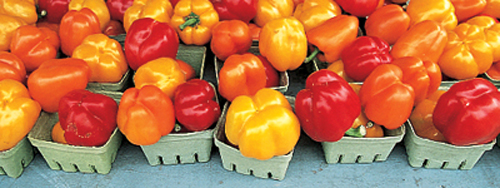
sell fresh produce and baked goods from seasonal stalls in the north
market on Saturdays, with many specializing in organic food. In the
vibrant south market, open Tuesday to Saturday, permanent vendors sell
everything from fresh bread and produce to seafood, meats, and cheeses.
The south building served as City Hall in the mid- to late 1800s (see St. Lawrence Hall).

Vegetables at St. Lawrence Market
Distillery Historic District
This
Victorian industrial district is now one of the city’s most interesting
and picturesque. Pedestrian-only cobblestone streets lead past old
warehouses and historic factories stunningly preserved and renovated to
house galleries, restaurants, performance venues, and specialty shops .

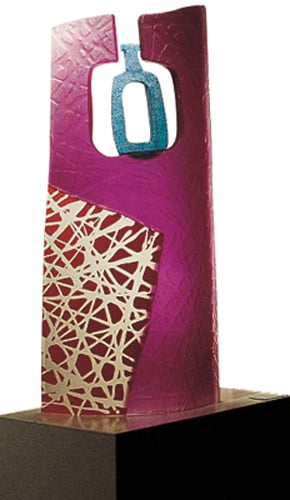
Glass artwork, Ainsley Gallery
The Danforth
Linked
to downtown by the 1918 Prince Edward Viaduct, which spans the Don
River Valley, The Danforth has been called home by the city’s thriving
Greek and Macedonian communities since the 1950s. In early August, the
weeklong Taste of The Danforth street festival is a smorgasbord of tasty treats and live entertainment.

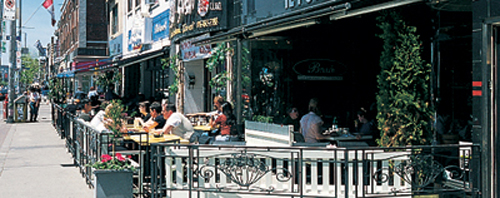
Sidewalk café, The Danforth
Cabbagetown
One
of Toronto’s earliest subdivisions, dating to the 1840s, this district
remained a working-class community well into the 1970s. Many of the
cottages and Victorian homes have since been renovated, and it is now an
upscale residential enclave that makes for a pleasant stroll. On the
east side is Riverdale Park and its delightful Riverdale Farm.
Across the street, on the grounds of the Necropolis Cemetery, is a
chapel built in 1872, a Gothic Revival treasure. At the north end of Cabbagetown, St. James Cemetery, Toronto’s oldest, has many beautiful crypts.

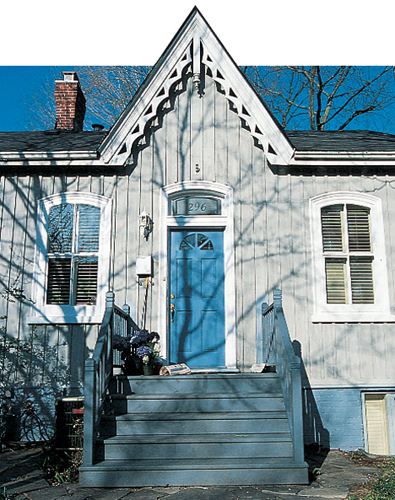
Cabbagetown cottage
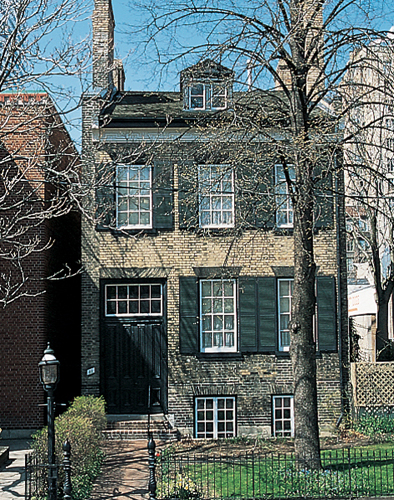
Mackenzie House
This
Greek Revival rowhouse, built in 1858, was the home of Toronto’s first
mayor, William Lyon Mackenzie, who returned here after being granted
amnesty for his leading role in the failed Upper Canada Rebellion in
1837. Now a period museum, it features a recreated printshop and a
gallery with changing exhibitions. It is rumored to be haunted.82 Bond St
open Jan–Apr: noon–5pm Sat–Sun; May–Sep: noon–5pm Tue–Sun; Sep–Dec: noon–4pm Tue–Fri, noon–5pm Sat–Sun
Adm

Mackenzie House
Church Street
The
hub of Toronto’s Gay and Lesbian Village, Church Street from Carleton
Street to north of Wellesley Street, is vibrant day and night. Bars and
restaurants cater to an out crowd, and specialty shops, such as those
selling body wear, abound. The general vibe is pink and proud and it’s
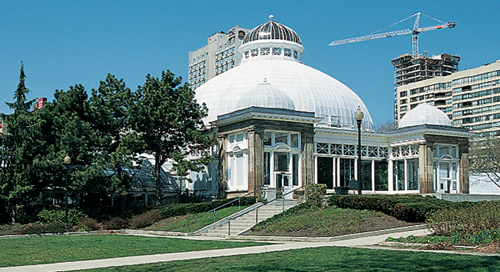
no wonder that the popular TV show Queer as Folk, made in Toronto, is often filmed on location at Church Street. Pick up a copy of the free bi-weekly newspaper Xtra!, available at most shops on the street, for listings of everything the village has to offer.Allan Gardens
This
large park embodies the contradictions of the downtown-eastside: It is
both grand and gritty. Best explored during the day, the gardens, which
first opened in 1860, contain a delightful glass-and-metal conservatory
complex consisting of six greenhouses, each with a different climate
zone, built in 1910. Inside, the exuberant displays of seasonal and
permanent greenery and flowers delight the senses.

Conservatory, Allan Gardens
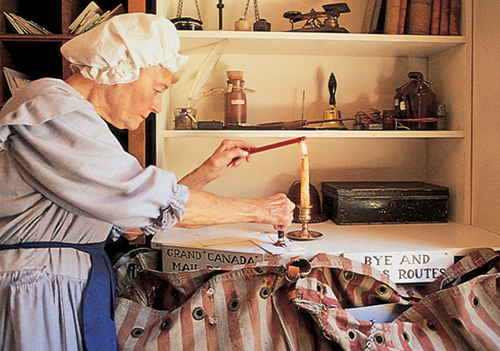
Toronto’s First Post Office
This
working post office and museum opened in 1833 and is the only surviving
example of a British-era post office in Canada. Here, you can write a
letter with a quill pen and have it stamped with a distinctive
cancellation mark: “York-Toronto 1833.” There is also a topographic
model of 1830s Toronto, period furniture, and 19th-century reproduction
ink wells and sealing wax. The library, housing an extensive archival
collection of postal-related materials, is open by appointment only, but
admission to the museum is free for self-guided tours.260 Adelaide St E
Open 9am–4pm Mon–Fri, 10am–4pm Sat–Sun

Toronto’s First Post Office
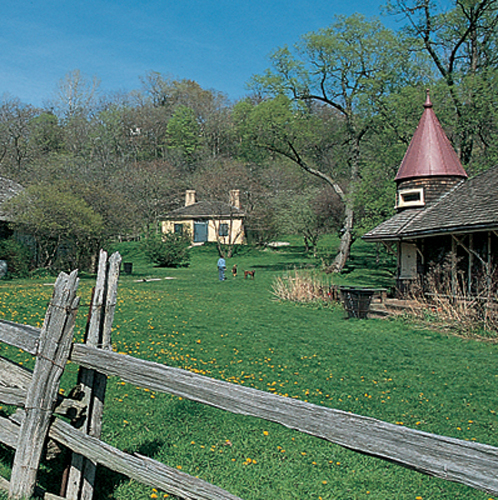
Todmorden Mills Heritage Museum & Art Centre
The
collection of late 18th-century buildings that makes up this museum
complex impart the feel of a historic village. Fine examples of the
original industrial architecture, such as a paper mill, are peppered
throughout the site. Two houses – the 1797 Terry Cottage and 1800s
Helliwell House – have been restored with period furnishings. The 1881
Don Train Station will delight rail buffs. The Brewery Gallery exhibits
pieces related to the site. A wildflower preserve bursts with trilliums
in spring, and trails offer nature lovers lots of wildlife spotting
opportunities, but be prepared for deep snow in winter.Museum complex open May–Sep: 11am–4:30pm Tue–Fri, noon–5pm Sat–Sun
Adm
Grounds open year-round

Todmorden Mills
Don Valley Brickworks
The
smokestack is just one of the historic features that remain at this
once-thriving industrial complex, which opened in 1889 to manufacture
bricks for local buildings using clay found on site. Some 100 years
later, the quarry has been returned to nature as a park with ponds and
meadows .550 Bayview Ave