|
Leslie Street Spit
Also
known as Tommy Thompson Park – after Toronto’s first commissioner of
parks and the official who peppered them with welcoming “Please Walk on
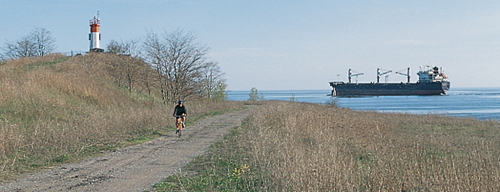
the Grass” signs – this secluded nature reserve is a man-made peninsula
extending 3 miles (5 km) into Lake Ontario. More than 290 bird species
have been observed in this prime wildlife viewing spot, and its
wetlands, meadows, and forests contain many rare and unusual plants. The
lighthouse at the southern tip is a common destination for bicyclists.

Leslie Street Spit
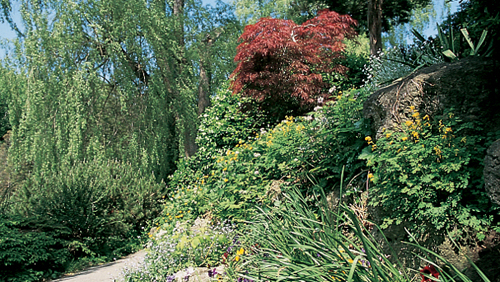
Don Valley Brickworks
Nature
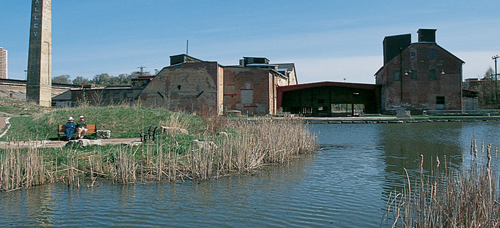
has reclaimed the quarry of this historic former brickworks: the ponds
and meadows of what is now known as Weston Quarry Gardens attract birds
and wildlife. Stop by the world-famous excavated “wall” to marvel at the
fossils of Toronto’s early flora and fauna and the region’s geologic
history; some of its many layers of deposits are over one million years
old .

Don Valley Brickworks
Mount Pleasant Cemetery
The
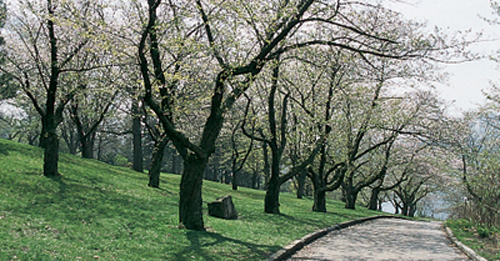
array of trees – many magnificently old and stately – in this cemetery
dating from 1876 qualifies it as a bona fide arboretum. A walk through
the lovely grounds will reveal the graves of several notable Canadians,
including pianist Glenn Gould (1932–82), whose marker is carved with the
opening bars of J. S. Bach’s Goldberg Variations.
Yorkville Park
This
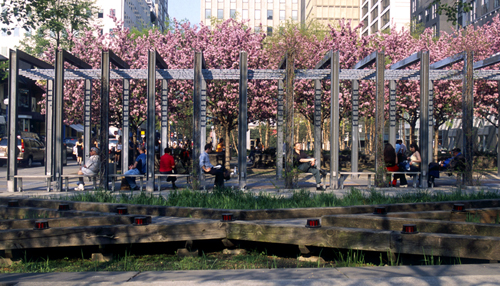
gem packs a lot of punch within its compact borders. It is elegantly
divided into zones, each with a different theme, such as aspen grove,
wetland, and meadow. Jets of mist rise at intervals around conifers; the
enormous chunk of Canadian Shield granite makes a perfect perch for
summer sunning.

Yorkville Park
Humber Bay Park East
Views
of the city don’t get much better than those from here. Easily
accessible by bicycle on the Waterfront Trail, the park is also great
for exploring on foot. Major habitat restoration such as wildflower
meadow plantings attracts birds and butterflies . Walkways and interpretive signs complement a series of interesting stormwater cleansing ponds.Rouge Park
The
largest North American park in an urban area – over 31 sq miles (50 sq
km) – borders the Rouge River and its tributaries at the city’s eastern
edge. It is home to a unique diversity of wildlife and plants, including
the best remaining example of a lakeshore marsh in Toronto. You can
easily spend a day exploring the trails, either on foot or bicycle .Edwards Gardens
Marvelous
flowerbeds showcasing roses, rhododendrons, and much more make this
formal oasis very popular in summer, when wedding parties crowd the
manicured lawns for photographs. The Teaching Garden lets kids explore
an alphabet of plants and learn hands-on about nature. The Toronto Botanical Garden, a horticultural center, is also here.

Edwards Gardens