This graceful mansion, on the banks of the Potomac
River, is the second most visited historic residence in America after
the White House. George Washington spent part of his childhood here and
returned after his presidency. With many of the buildings and activities
brought back to life, no other place better portrays the character of
the first US president, or the role of slavery-based agriculture in the
young republic. Be sure to visit the Ford Orientation Center and the
Donald W. Reynolds Museum and Education Center for exhibitions and
artifacts.
George Washington Parkway
-
703 780 2000
-
www.mountvernon.org
-
Open Apr–Aug: 8am– 5pm daily; Mar, Sep, Oct: 9am–5pm daily; Nov–Feb: 9am–4pm daily
-
Dis. access
-
Adm $13 adults; $12 senior citizens; $6 children 6–11 years; free under 6 yrs
|
|
The estate that was to be
Mount Vernon had been in the Washington family since 1674. George
Washington received ownership in 1761 but had already done extensive
work on the house and grounds. Additions to the house were underway at
the beginning of the Revolutionary War, but the dining room was
completed after the war.
|
Façade
|
Visit Mount Vernon after 1pm, when special school programs are over.
|
|
|
The Mount Vernon shops sell seeds of some of the estate’s heritage plants.
|
|
|
Outside the main entrance is
a complex with a full-service restaurant, the Mount Vernon Inn,
offering specialties such as peanut and chestnut soup and salmon
corncakes, and an efficient food court, serving snacks.
|
|
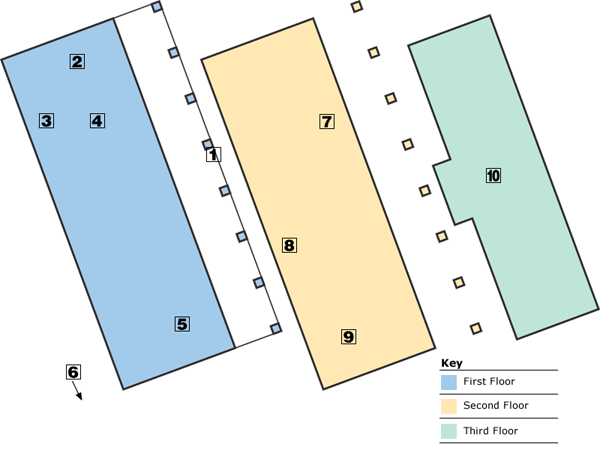
Top 10 Features
-
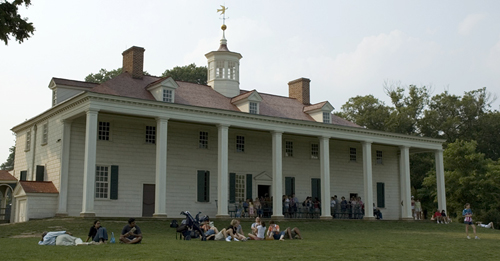
Mansion’s Exterior
The
huge portico that overlooks the Potomac was the president’s own design.
The house is built from pine, but the exterior was “rusticated” with a
decorative treatment that re-creates the look of stone.
-
Large Dining Room
This
impressive two-story room is formal enough for state business yet is
inviting to all. Washington used boards placed on trestles for a table –
easier to clear for dancing.
-
Front Parlor
This
charming room was the main public space in the house. A copy of the
earliest known portrait of Washington, by Charles Willson Peale, hangs
here.
-
Little Parlor
Many
visitors find this room a highlight of the mansion because it reflects
the family life lived in the house. The original harpsichord Washington
purchased for his step-granddaughter, Nellie Custis, is displayed.
-
Study
This
study was the setting for Washington’s commercial, political, and
public work. A famous bust of the president, commissioned by the
Virginia Assembly, is displayed. French sculptor Jean Antoine Houdon
came to Mount Vernon in 1785 to make a plaster cast of the general’s
head.
-
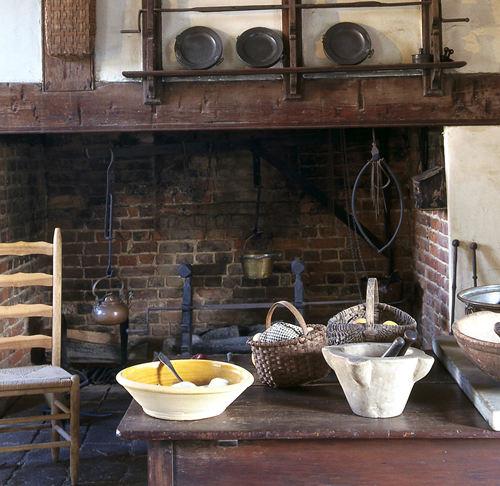
Kitchen
Mrs
Washington directed a staff of slaves in the kitchen, and at least two
cooks’ names have survived, Nathan and Lucy. Much physical labor was
required for cooking – fuel and water had to be hauled in by hand.
-
Lafayette Bedroom
This
guest bedroom, with its beautiful view of the Potomac, is one of five
in the house and is where the Marquis de Lafayette, one of Washington’s
military aides and a lifelong friend, stayed when visiting.
-
Nelly Custis Room
Martha
Washington’s granddaughter, Nelly Custis, lived at Mount Vernon from
early childhood. This comfortable room was hers; she even stayed here
for a short while after she had married.
-
Master Bedroom
Often called Mrs. Washington’s Room, this is where George and Martha slept. Mrs. Washington ordered the bed in the 1790s.
-
Cupola
The cupola, with its “dove-of-peace” weathervane, provides light to the third floor and aids air circulation in summer.